

Staying authentic with your photography
Ignoring the noise of social media

There is a growing consensus among photographers today that social media has quietly rewritten the rules of our creativity. In today’s world, we live in a digital ecosystem that doesn’t particularly reward individuality. Instead, it lends itself more to an algorithm. It feels like an unspoken contract in a way. If you want visibility, you find that the most highly saturated, easily digestible, and dare I say it, “predictable” imagery fits more with what is trending. We are surrounded by a constant noise of metrics, likes, and shares that have created a pressure amongst us to perform rather than to create. It is so easy to chase that external validation at times, and eventually, this leads to creative exhaustion, turning something authentic into a game of mimicry. I’ve always felt skeptical towards social media, and after taking a little step back from the noise, I realised that this present day pressure to conform feels strangely familiar. In fact, it feels a little like a template I first encountered decades ago, sitting at a school desk.
Long before I ever picked up a camera, I think my brain was already trying to process the world through a different lens. Growing up in the ’90s, the classroom template was rigid. You took note as to what was on the board, copying the text, memorising the facts to pass your exam’s. It was a bit of a paint-by-numbers approach to learning that I never easily gravitated toward - more than likely because some subjects just didn’t pull me in. While the system was designed to teach us how to follow the lead, my thoughts were always wandering to the margins. I constantly found myself looking for the gaps, the constraints, and the quiet details that weren't on the syllabus.
This thought of structure came after my parents handed me some school reports a couple of weekends ago. In one of then, it states:
“Daniel spends much of his time in a world of his own and would usually be quite unaware of any task, let alone volunteer to help with it.”
I find this something that’s very amusing to read in 2026. Surely teachers couldn’t say this today?! I digress slightly - but something I find now is that this idea of “following” seems to be our main currency in the world. We follow people on Instagram and Facebook, we queue up our reels, constantly consuming how others see, live, and create. However, in this endless stream of content, how do we actually find our own way? Do we follow the herd or do we capture what is within and show the world our own perspectives? We all have a unique vision, right?
I’ve previously written on Substack about whether we ‘make’ or ‘take’ a photograph. In some ways, this post is a bit of a follow-on from that. I want to use a nearby heathland as an example in this post that I’ve been visiting for a number of years now. In the beginning, I did what most of us do, in that, I walked the familiar paths and headed for the obvious vistas. My first experience of this location was when it was shrouded in mist and beautiful sunlight. A photographer’s dream!
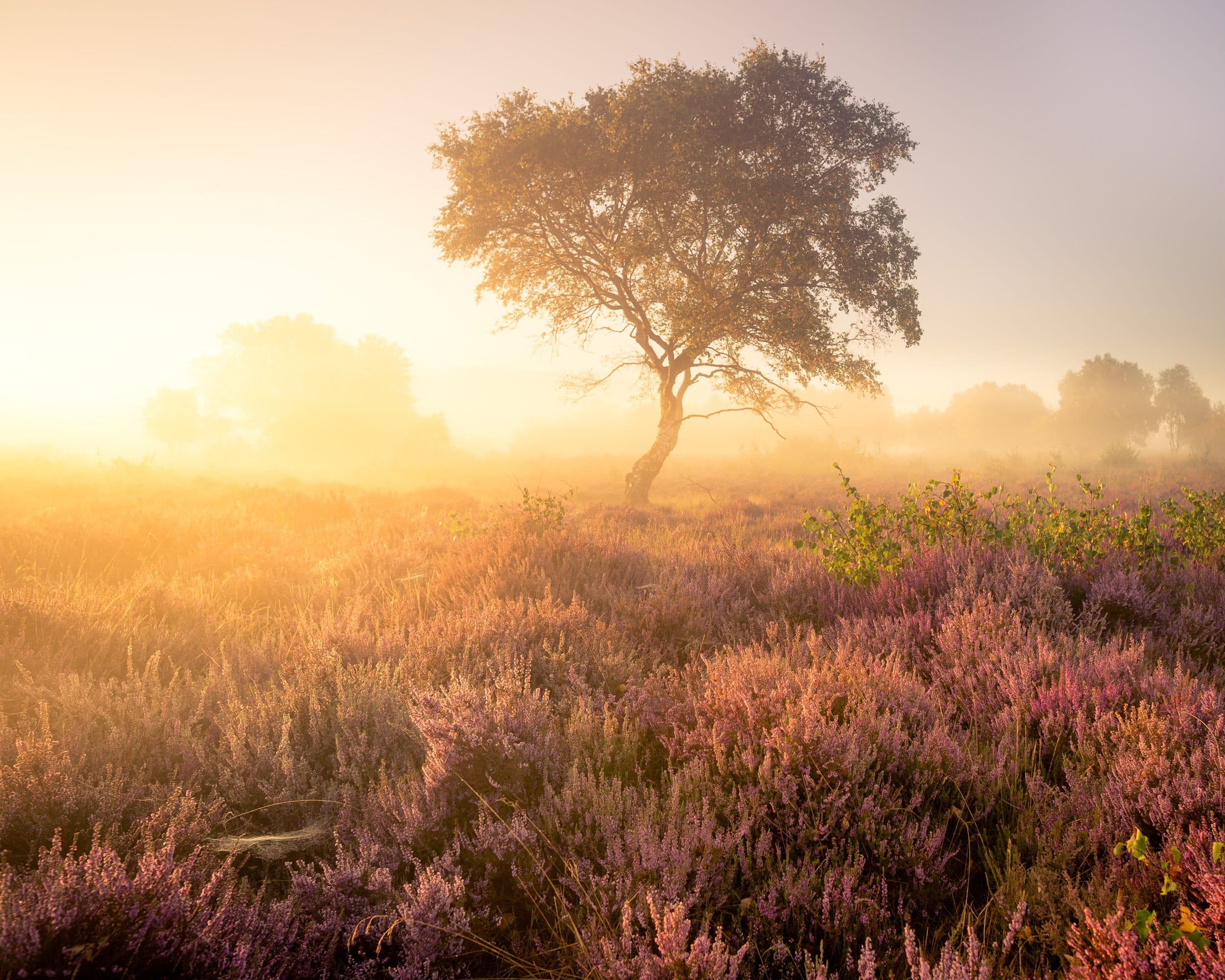
Many will come to this location and take the exact same or similar photograph as me, and I can appreciate why. It’s a beautiful image, and there is nothing wrong with it in terms of composition, light, or atmosphere. During summer where the heather is in full bloom, it’s simply beautiful, and provides a reliable, picture perfect sense of place. However, over the last few years, I’ve found myself steering away from the more obvious element of the picturesque, and instead, opting for a more intimate, quiet take on the landscape.
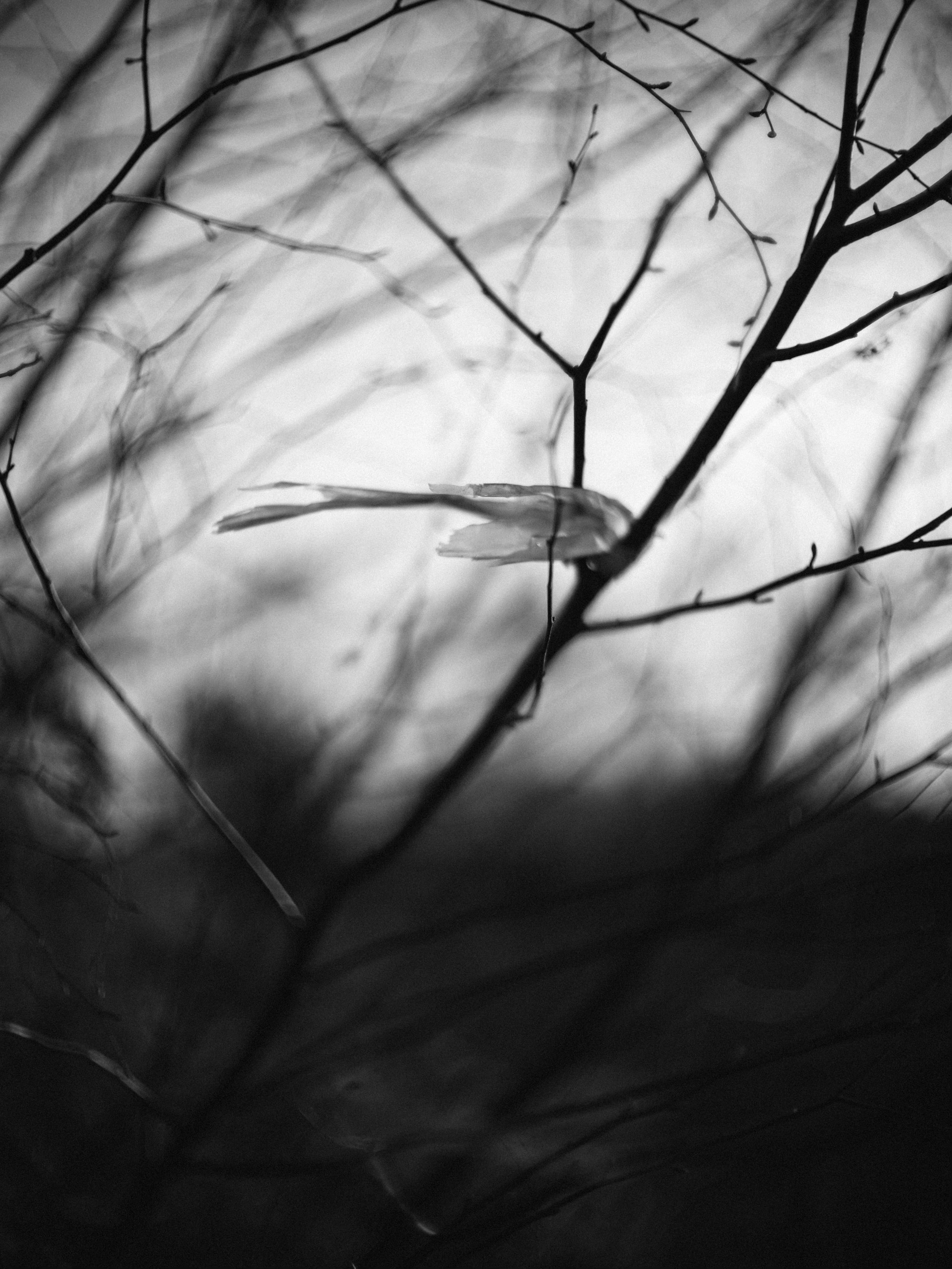
In considering the landscape in terms of personal connection, the geographer Yi-Fu Tuan famously wrote about the transition from space to place. To Tuan, a space becomes a place only when we get to know it intimately and endow it with value. With this perspective in mind, I feel that it’s difficult to achieve that deeper value by merely copying a classic viewpoint.
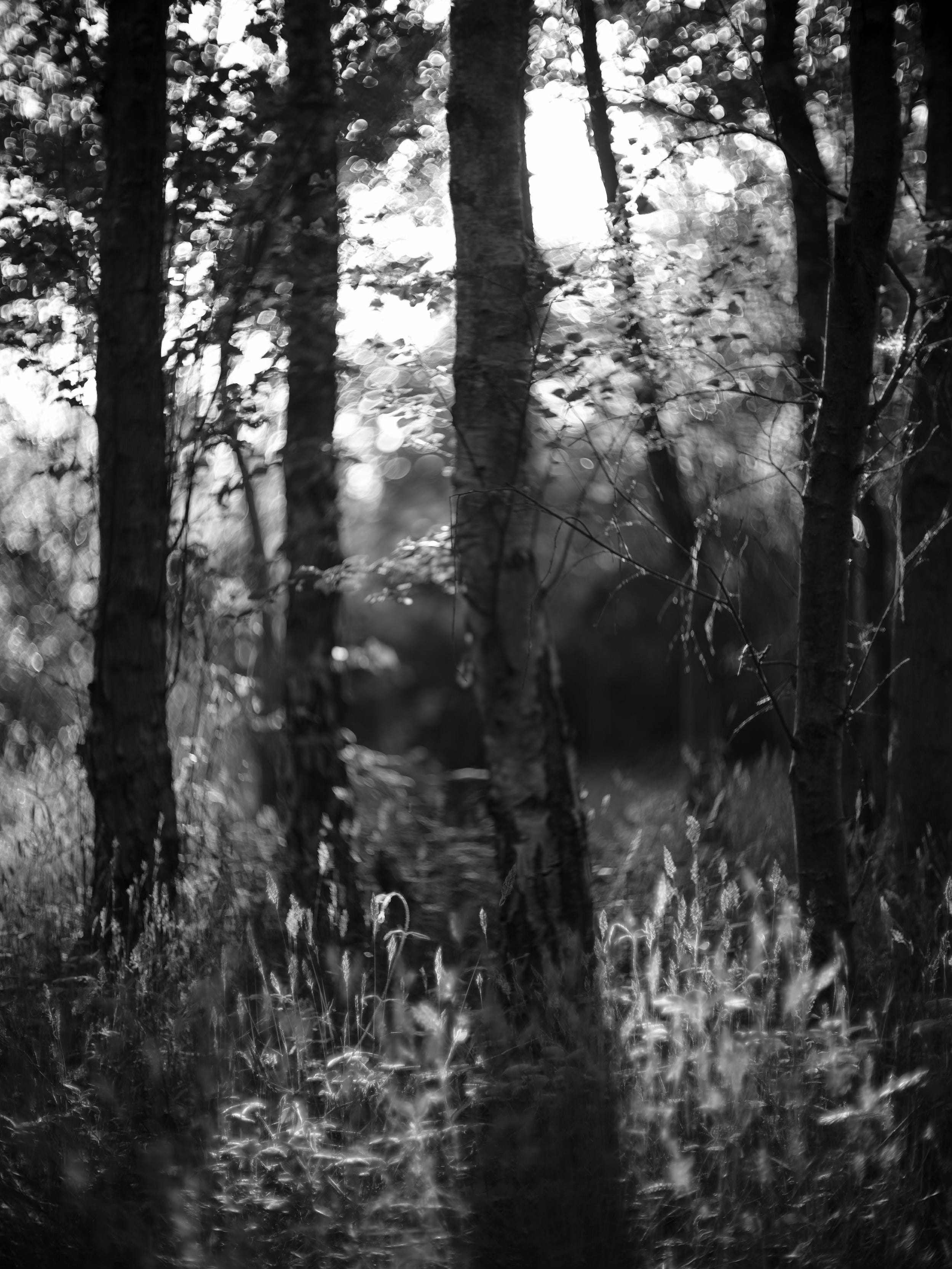
Don’t get me wrong, I love a picture perfect scene or vista. In Suffolk, we are fortunate enough to be surrounded by them, and of course, we can still photograph them, but when we stop for a second and stick around, we can find ourselves receiving an image that’s quietly being offered to us by the landscape. The kind of image that reflects us and how we feel, how we see, and how we interpret a place. For me, I want an image led by my own curiosity, not one that I know will potentially bring more likes from strangers on social media. I want to make pictures of the things that speak directly to me, that hold my attention, or ask me questions, rather than conforming to expectations.
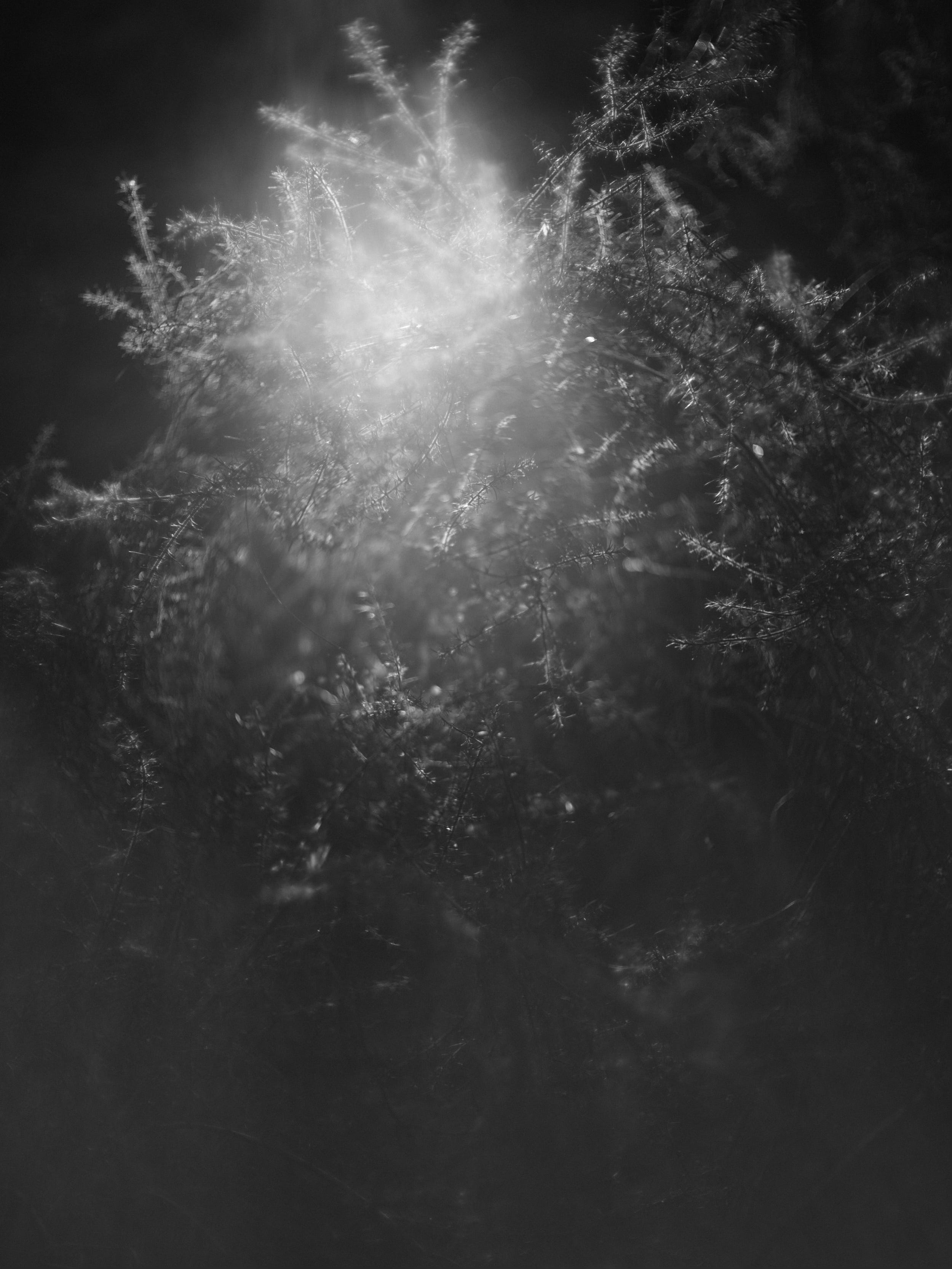
I hate to admit that I’ve spent a number of years with a curated grid of “bangers” as it were, and whilst I do appreciate a certain quality of these images, I can’t help but feel that they are missing a certain essence that is felt by being in the landscape.
When I fast forward to my photographer today, it’s different in many ways. I find that I turn to utilising black-and-white more often than not. When you strip away colour, you strip away the superficial, literal reality of a landscape. Colour can often feel distracting or demanding. It tells you exactly what time of day it is, what season it is, and what the weather is doing. It anchors us to the outside world.
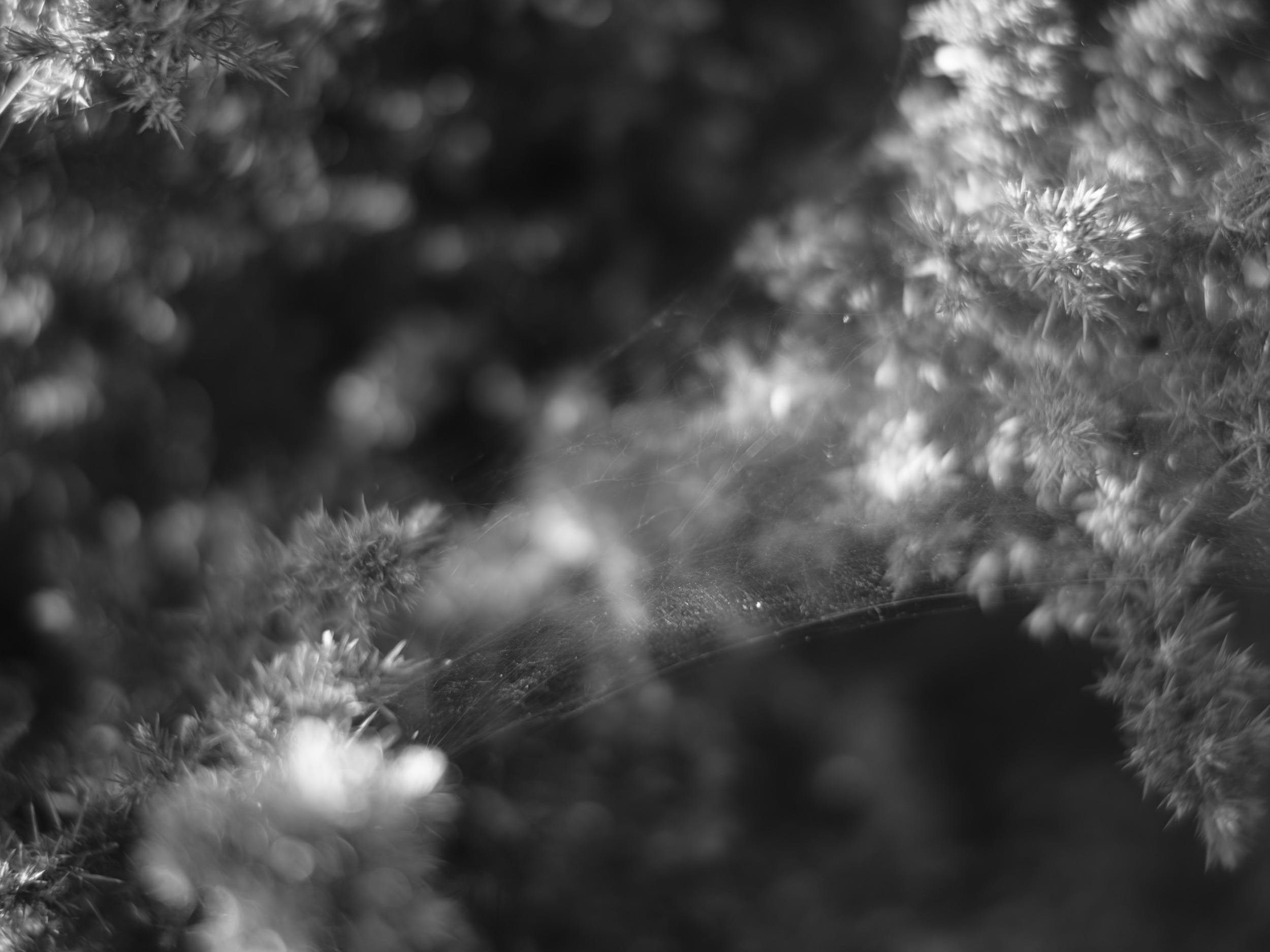
I find that black and white also invites one to interpret the scene. By removing colour, we are asked to look at the textures, shapes, tonal contrasts, along with light and shadow. Everything from the chaotic tangle of gorse and the ribbed bark of a birch tree, to the silver shimmer of a puddle, becomes a study in form rather than a literal depiction. This allows the image to become an emotional interpretation rather than a mere record. Does it even need to be in focus to be of value? This is another conversation for another day.
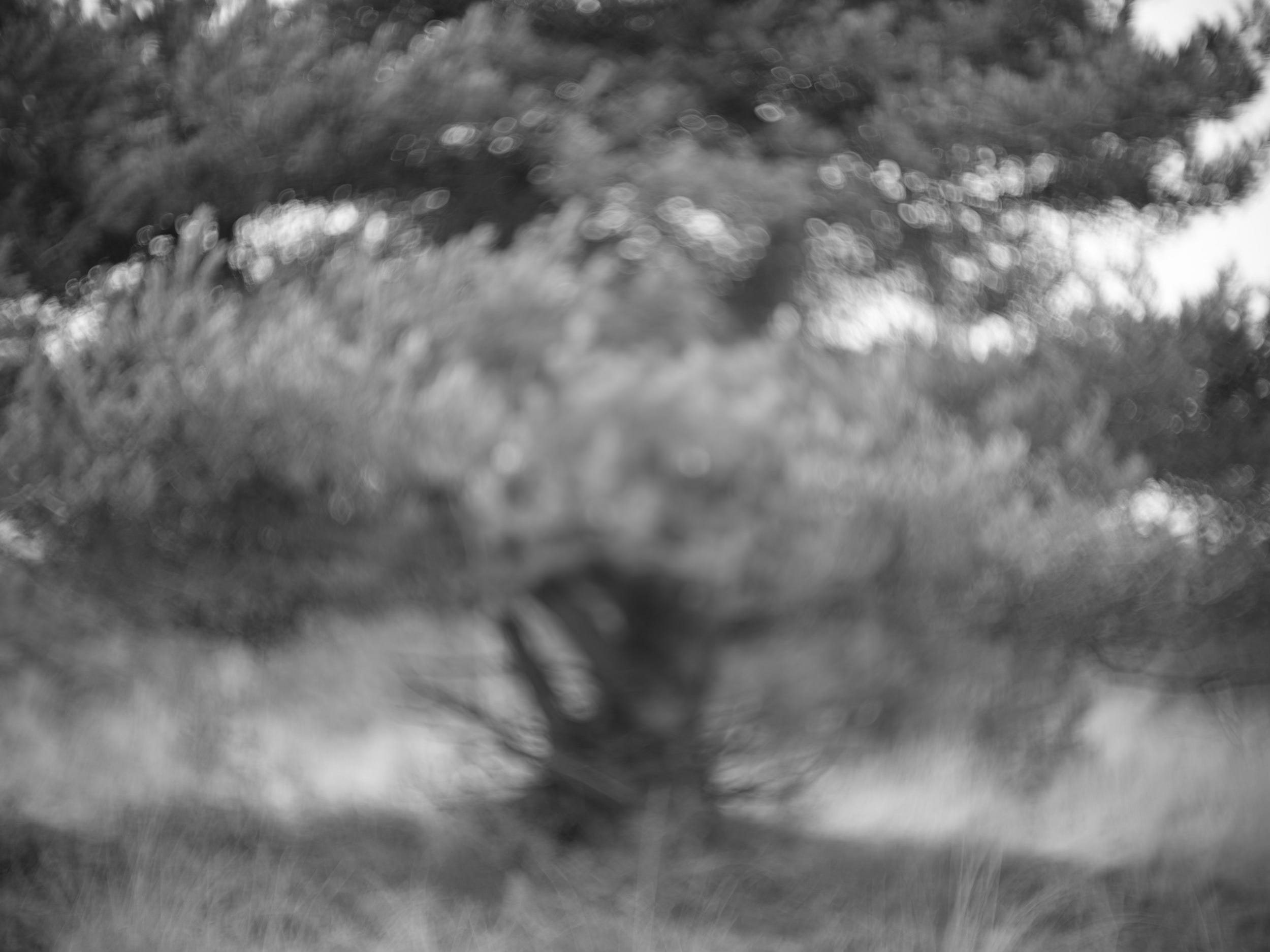
For me personally, these recent images emphasise the internal experience of simply being in that space, and I love that how on each visit, I can find something different that speaks to me.
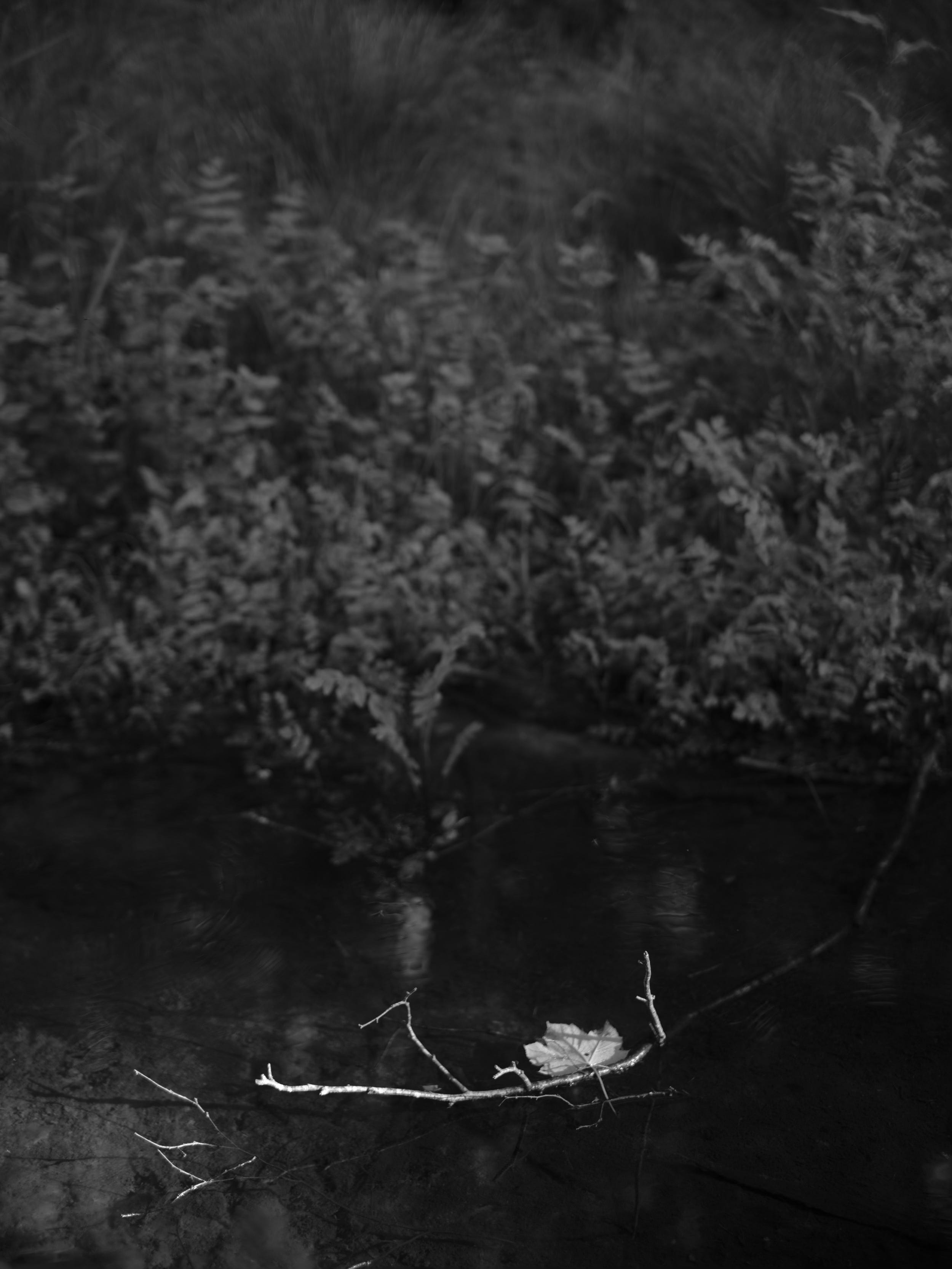
When you look at a landscape, what are the quiet details that usually catch your eye first? Do you find that if stripping away colour, that it emotionally connects you with a place? Or do you prefer the literal reality of colour? Finally, does a particular place hold this kind of quiet, evolving connection for you?
As a non photographer it is the emotional element of your work that draws me in. Being authentic is the only way to be…keep doing what you’re doing. Your voice & vision is special.
Thank you for writing this. I love this notion of transforming a space into a place, and the landscape slowly offering up new vantage points.