

Shooting Half-Frame
Having fun with diptychs

Ok, so half-frame isn't exactly a new format in film photography, but until recently, it wasn’t something that I’d even considered. The growing popularity of half-frame cameras, especially with the introduction of models like the Kodak Ektar H35/N and Pentax 17, has piqued my interest. Additionally, as the cost of film has risen, the economic benefits of half-frame format have become increasingly appealing to many.
A quick intro to half-frame
Half-frame cameras emerged in the 1960s as a way to double the number of exposures per roll of film. These cameras offered a compact, lightweight, and often portrait-oriented option, allowing for two smaller images on a single 35mm frame.
General constraints and differences
The limited frame size of half-frame photography challenges photographers to think creatively about framing and storytelling. With half-frame, your images have a 3:4 aspect ratio, distinct from the standard 3:2. This often encourages a unique approach to composition. Instead of relying on expansive landscapes, you must carefully select subjects and backgrounds to make the most of that available space.
A different shooting experience
Being known for their compact size, half-frame cameras offer a more portable shooting experience compared to traditional full-frame models. The Kodak Ektar H35, for example, is incredibly lightweight and pocket-friendly, making it easy to carry anywhere or even chuck in the glovebox of your car. With more exposures at your disposal, half-frame cameras can encourage experimentation and spontaneity. This can lead to a more dynamic and adventurous photographic style, as you're less constrained by the fear of running out of film. For me, half-frame was a great way to explore diptychs and introduce more storytelling in my work.
Enter the Olympus Pen EE-3
On looking for half-frame cameras on eBay one evening, I snapped up a bargain Olympus EE-3.
Released in 1973, the EE-3 is a battery-free camera equipped with what’s known as an ‘Electronic Eye’ (hence EE in the name) to automatically select a shutter speed and aperture based on the chosen ISO. With a fixed-focus 28mm f/3.5 lens, this simplifies your photography to a point-and-shoot style. The EE-3 is remarkably quiet and features a comfortable, well-balanced design too! What’s not to like?
Loading it with a roll of Ilford FP4, I took it for a day at the coast and just loved the freedom that came with it. I often carry a medium format camera and/or my Nikon F3HP, which can be quite substantial around the shoulder after a while. In contrast, the EE-3 felt almost imperceptible. When I'm heading for a long walk, the camera's lightweight nature is a significant advantage and you barely know you have it.
Capturing diptychs
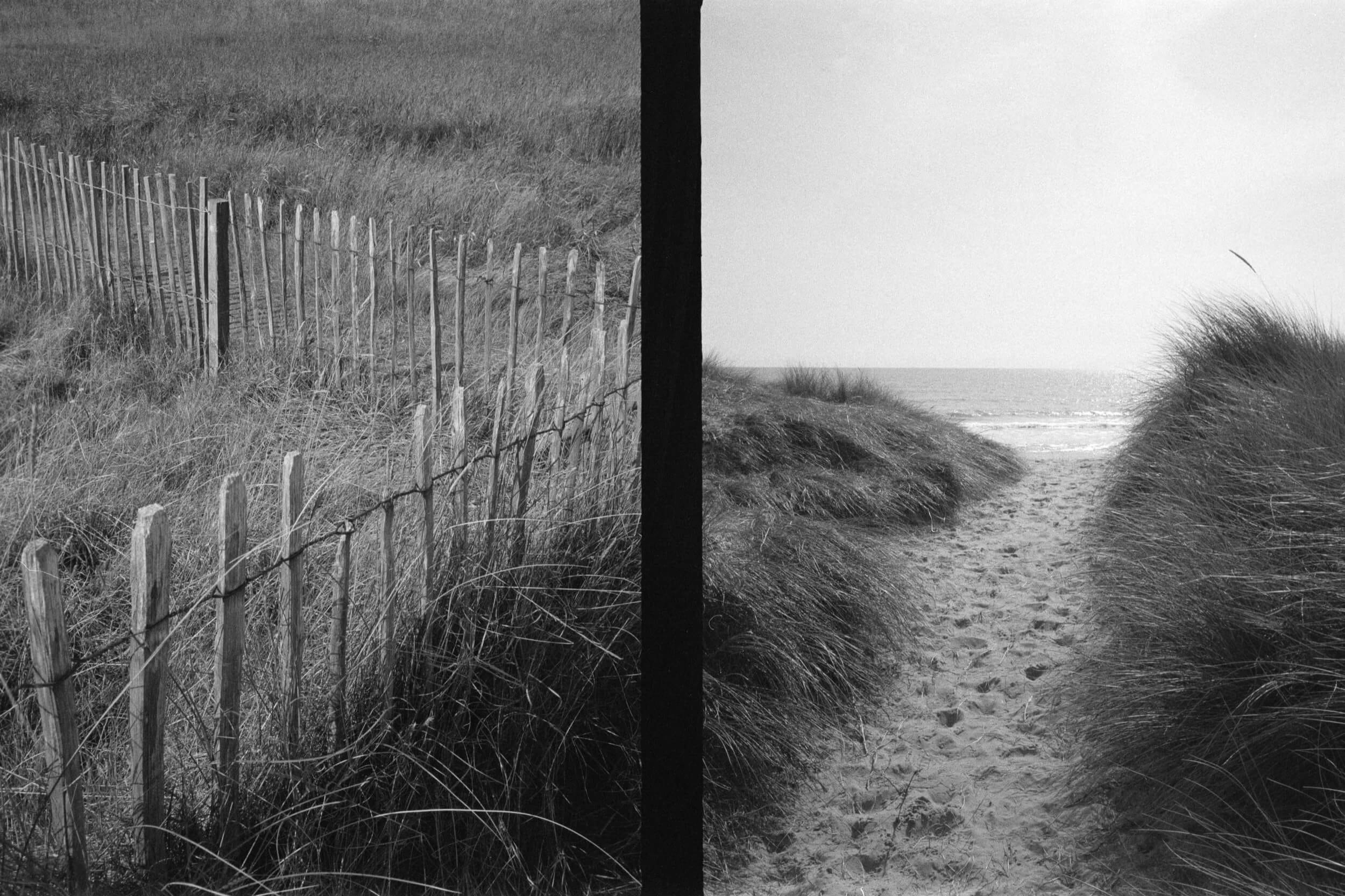
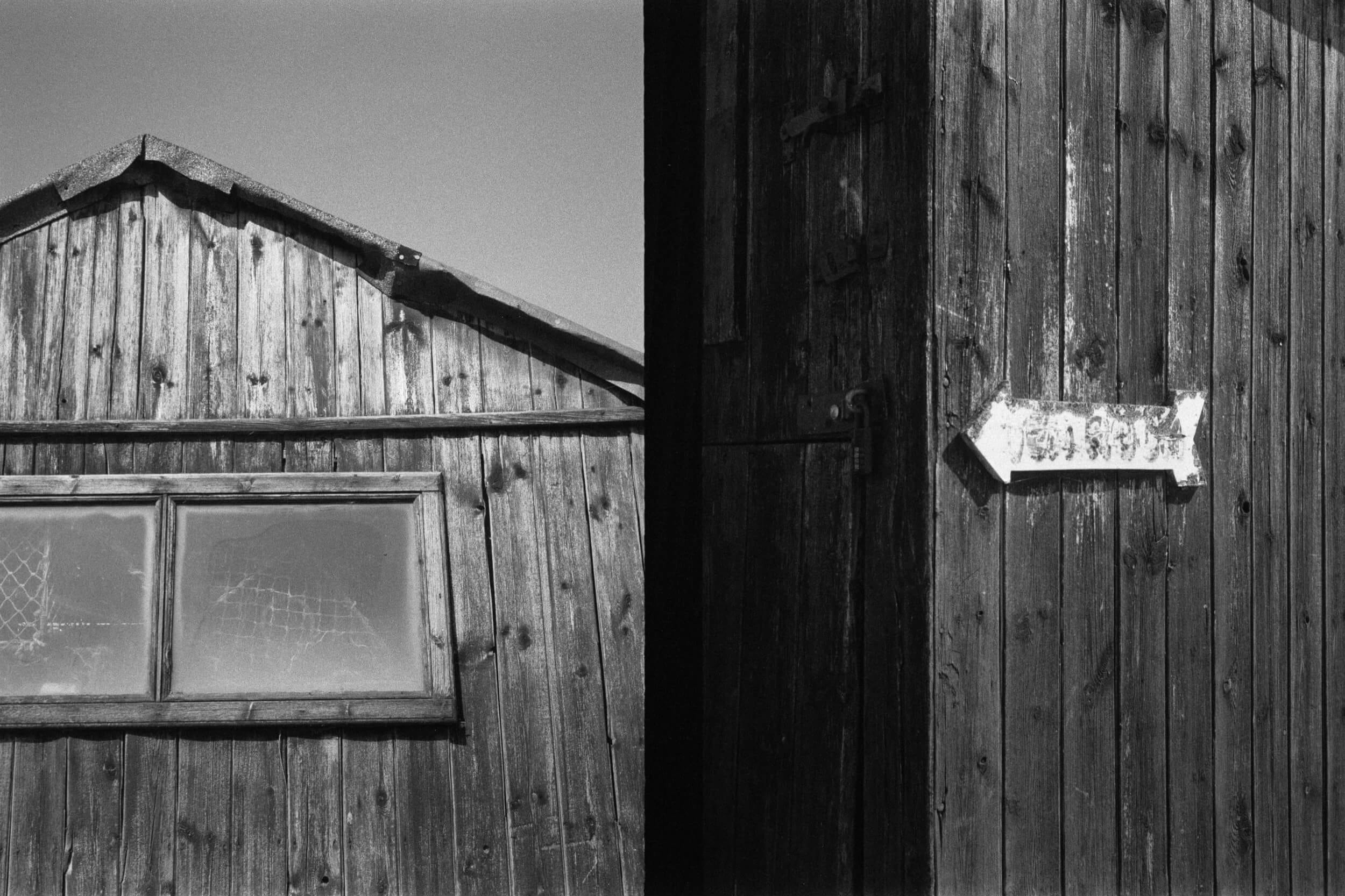
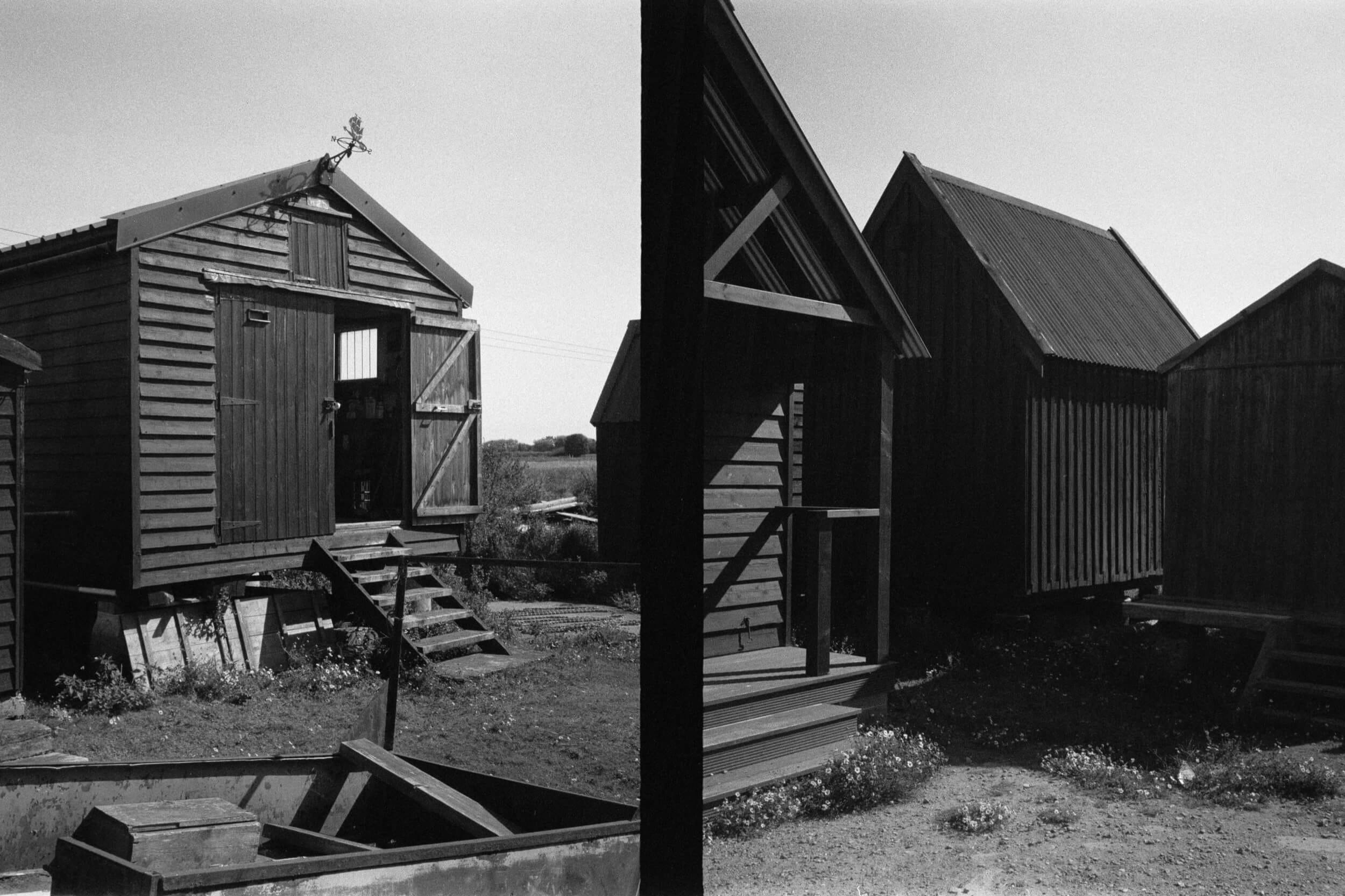
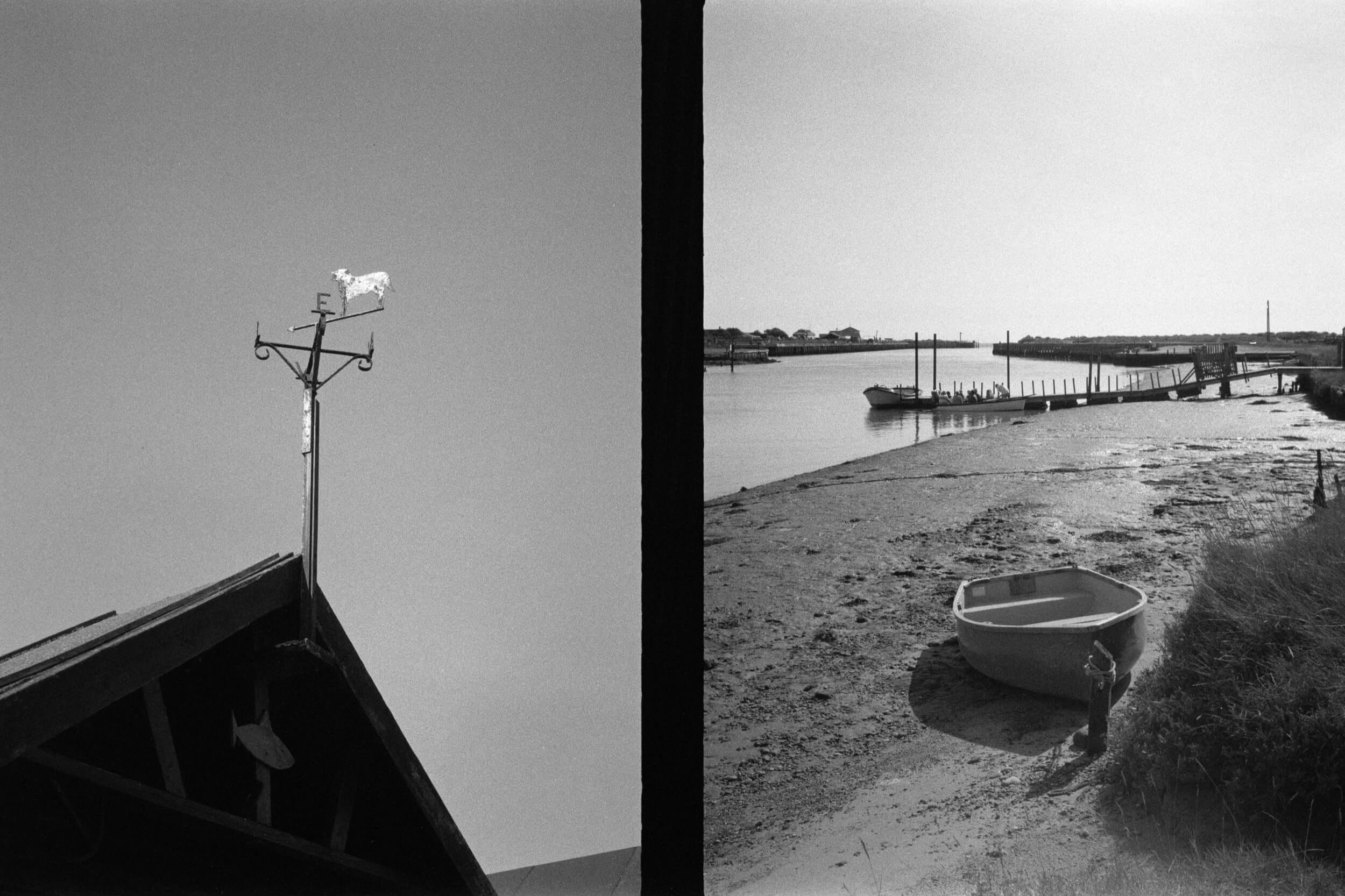
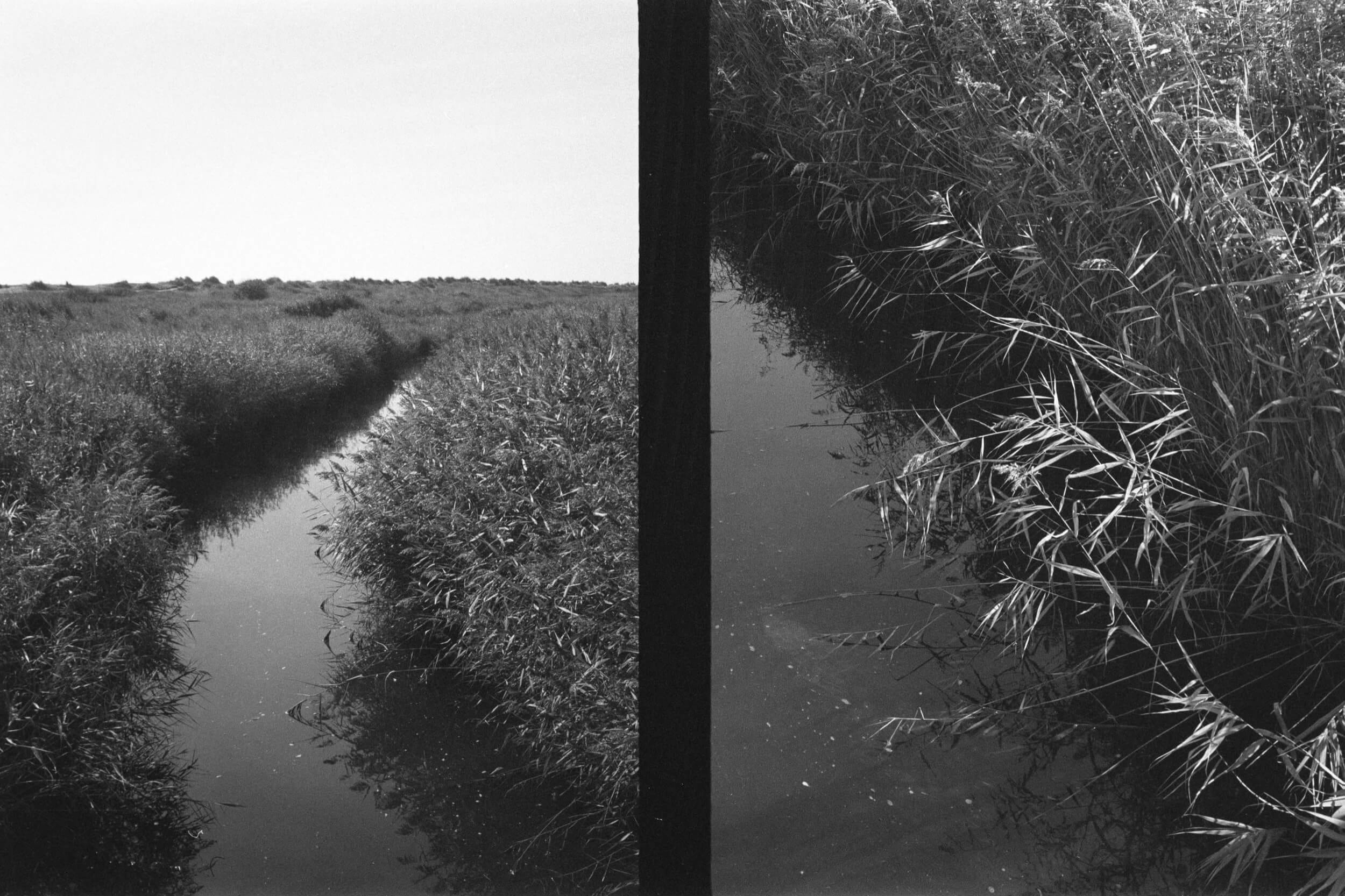
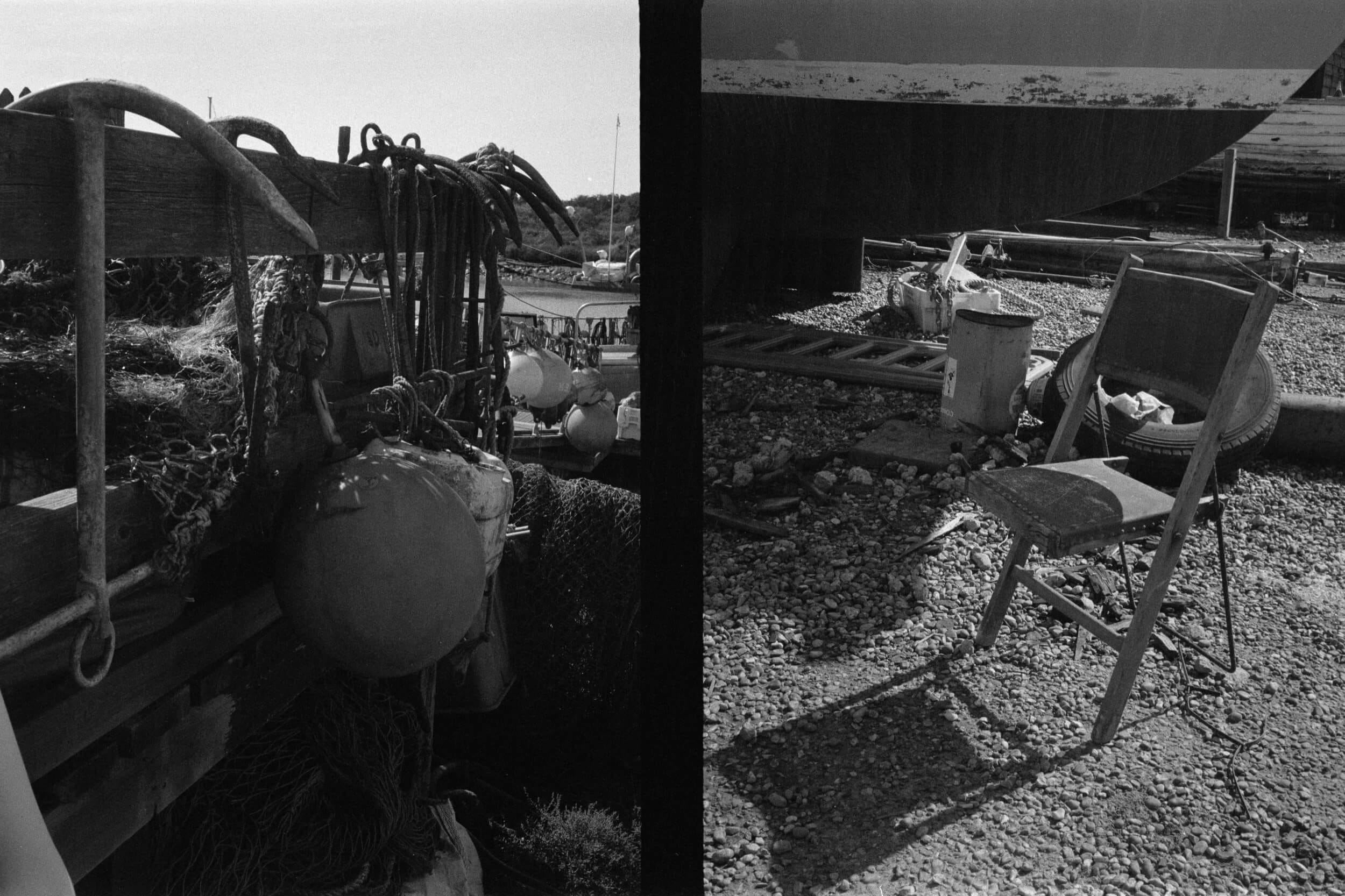
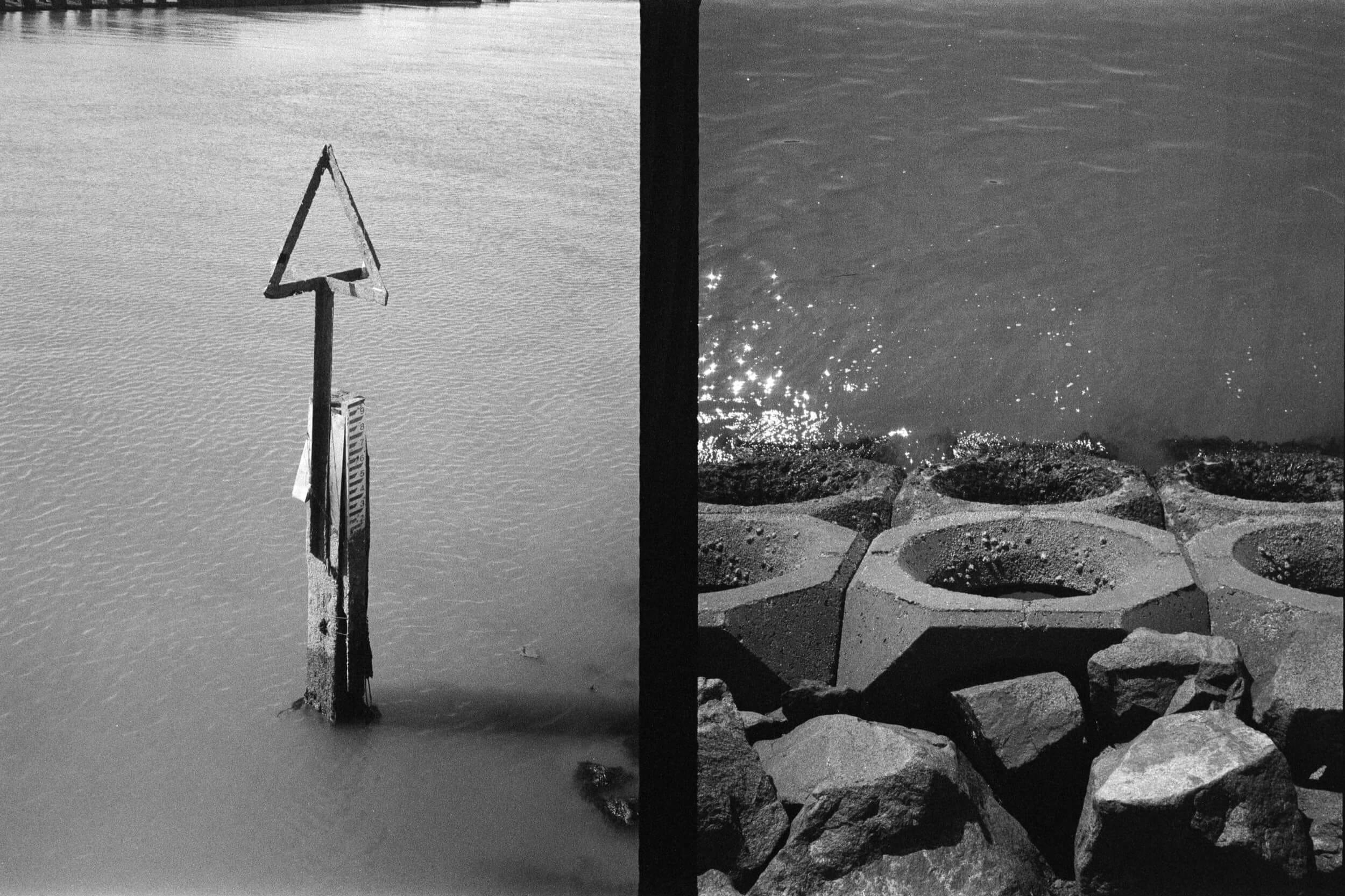
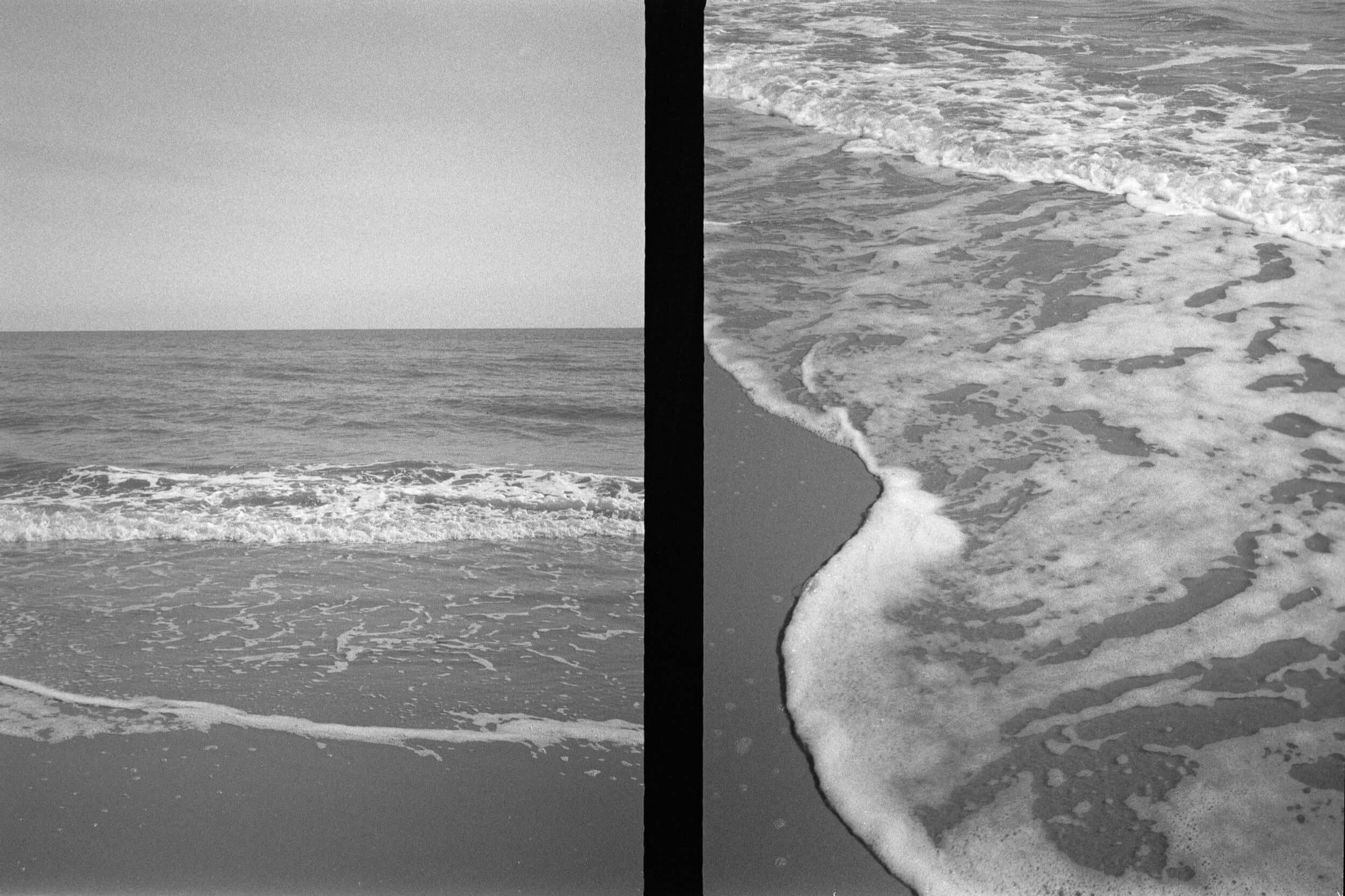
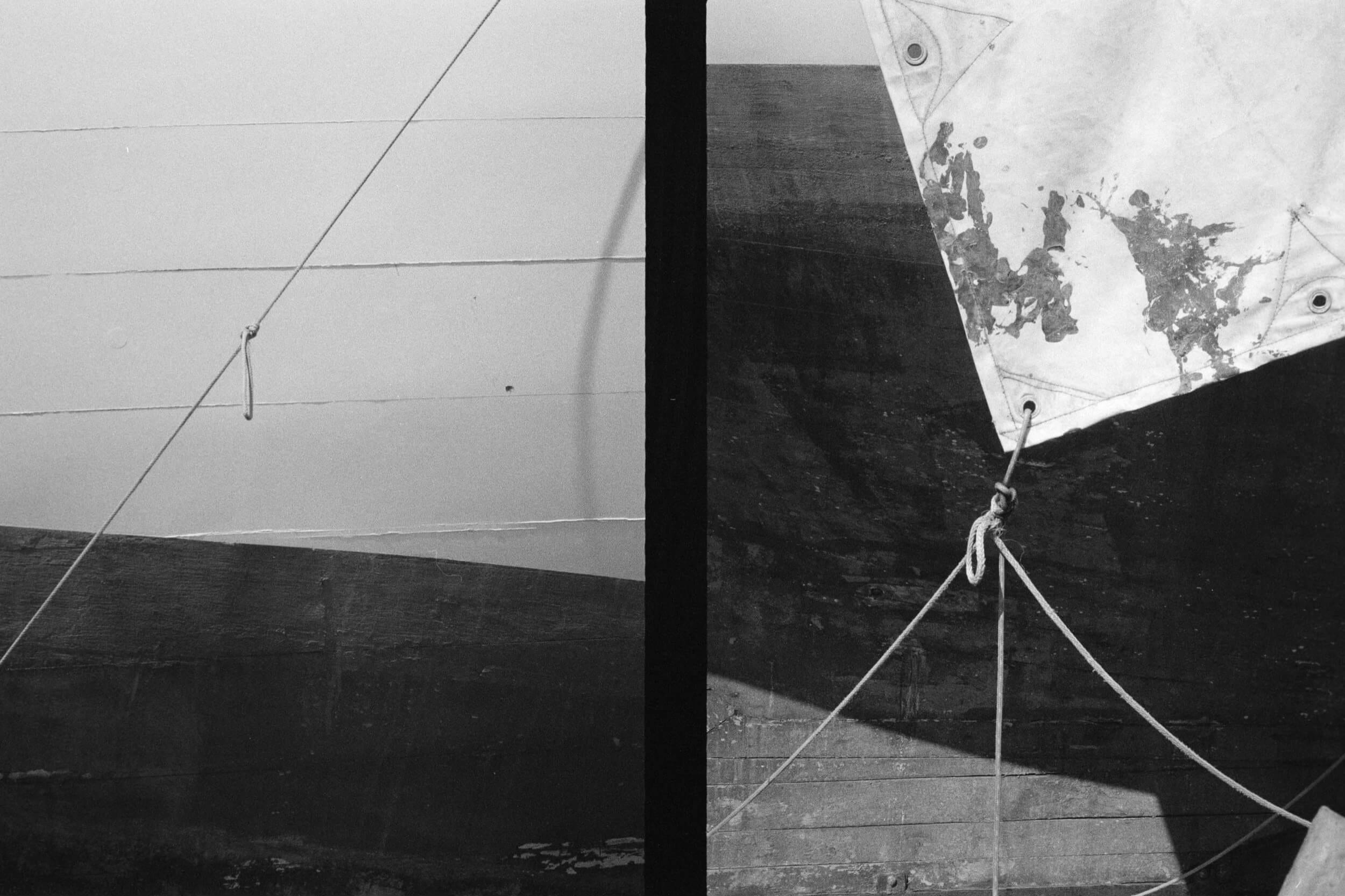
I've often enjoyed pairing images, and the EE-3's ability to capture two on a single frame offers a unique creative opportunity. By capturing different perspectives of the same subject, you can create a more comprehensive and engaging composition.
The simplicity of the EE-3, with its point-and-shoot style, allowed me to focus on exploration and creativity while wandering the coast. The concept of connecting moments through paired images opened up new ways of seeing and storytelling, adding a touch of poetry to the end result and allowing a fresh perspective. I’m certainly looking forward to shooting more with the EE-3 over the coming months.
Wrapping up
With the smaller image size, one of the drawbacks of half-frame is that it can limit the ability to create large prints. However, for web use and smaller prints, this is a minor concern. This decrease in resolution essentially means an increase in grain, a topic that elicits mixed reactions among photographers.
Using a modern film stock such as Acros or Portra can help minimise this grain. However, it's key to realise that grain is almost always present with half-frame, and while some appreciate the unique texture and character that grain adds, others find it undesirable. I personally love it, especially with black and white images!
As always, thanks for reading. Feel free to hit that subscribe button and follow me on Instagram for more.