

Shaping an evolving landscape
Expired film and Polaroid lifts

Covehithe and neighbouring Benacre in Suffolk are two places I often frequent. They previously featured in a previous post about finding truth in representation. In this post, I spoke about how I collected seawater on-site to decay a series of negatives taken there. That process added a strong conceptual layer to the work, which formed part of my MA photography project titled Four Winds.
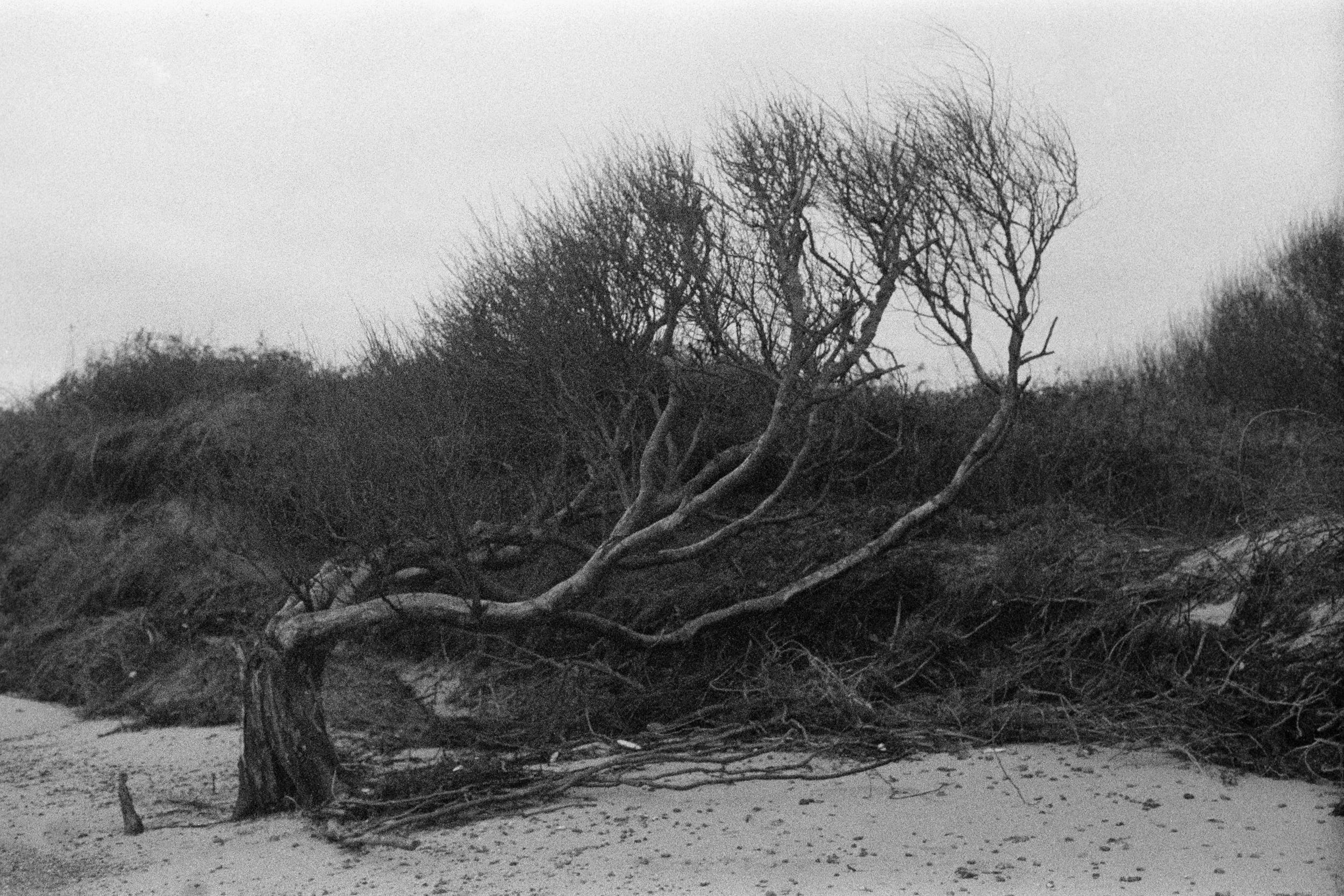
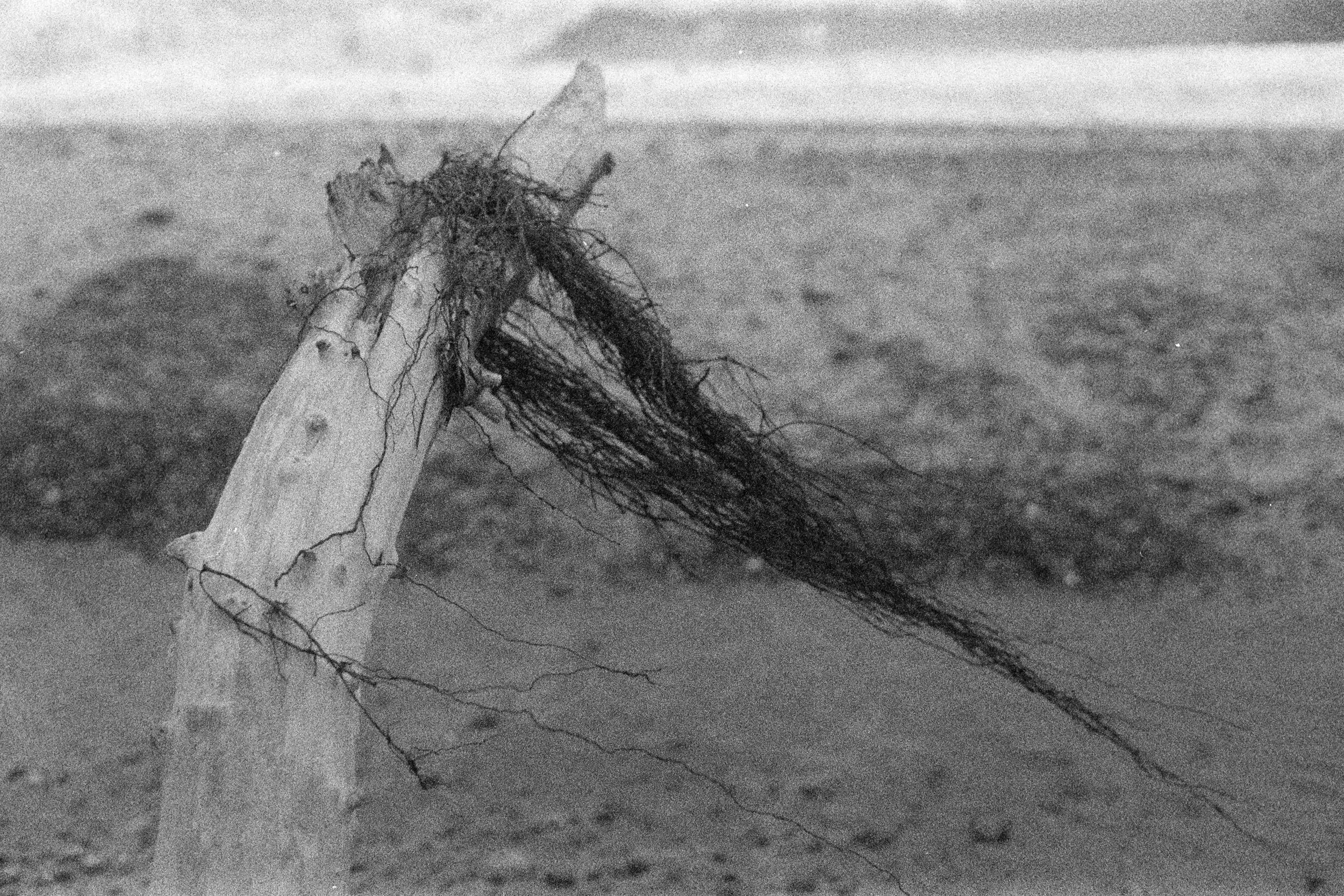
Towards the end of my MA last year, I found myself returning to this specific stretch of coastline more regularly. This time, I was shooting with heavily expired film from 1985.
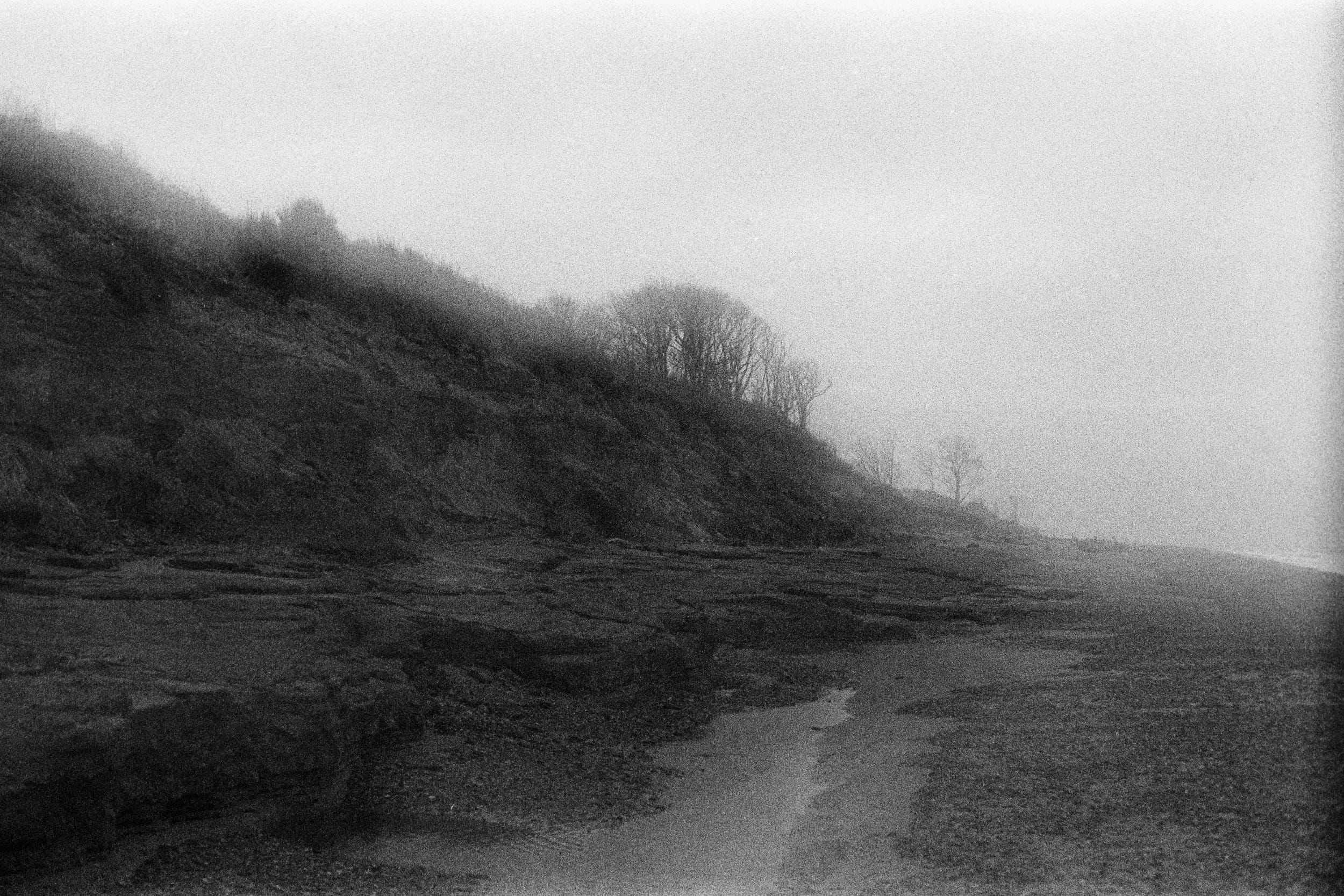
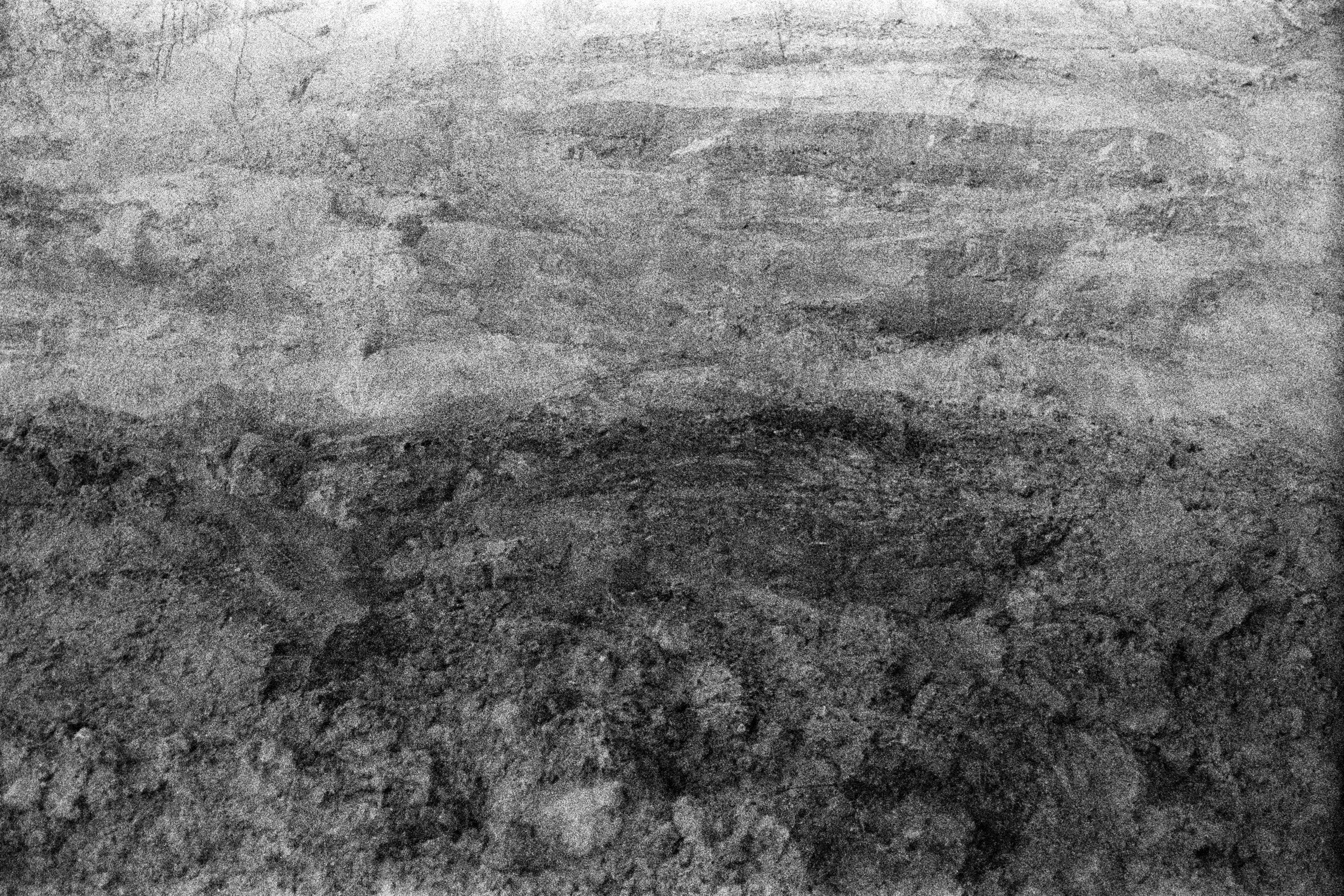
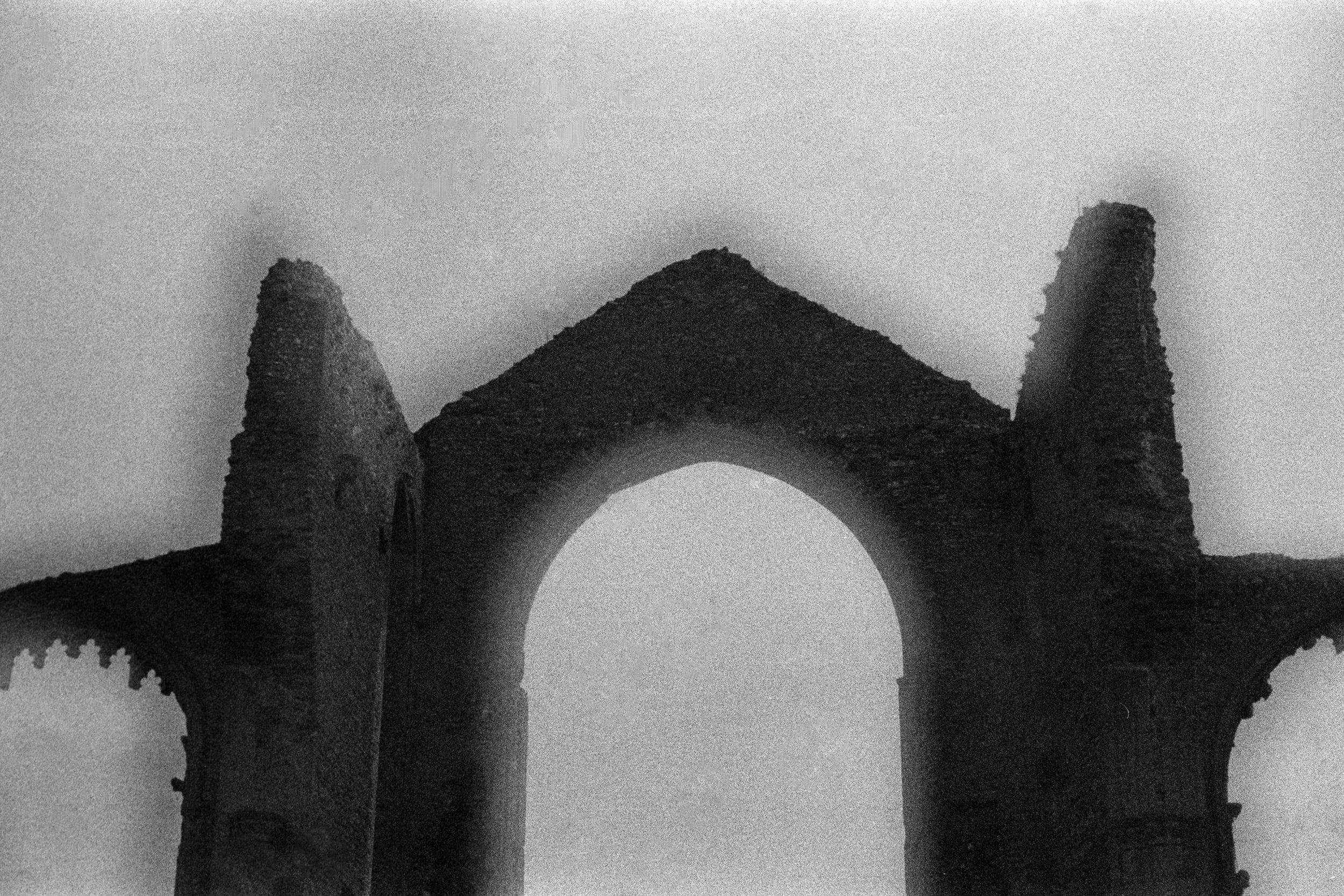
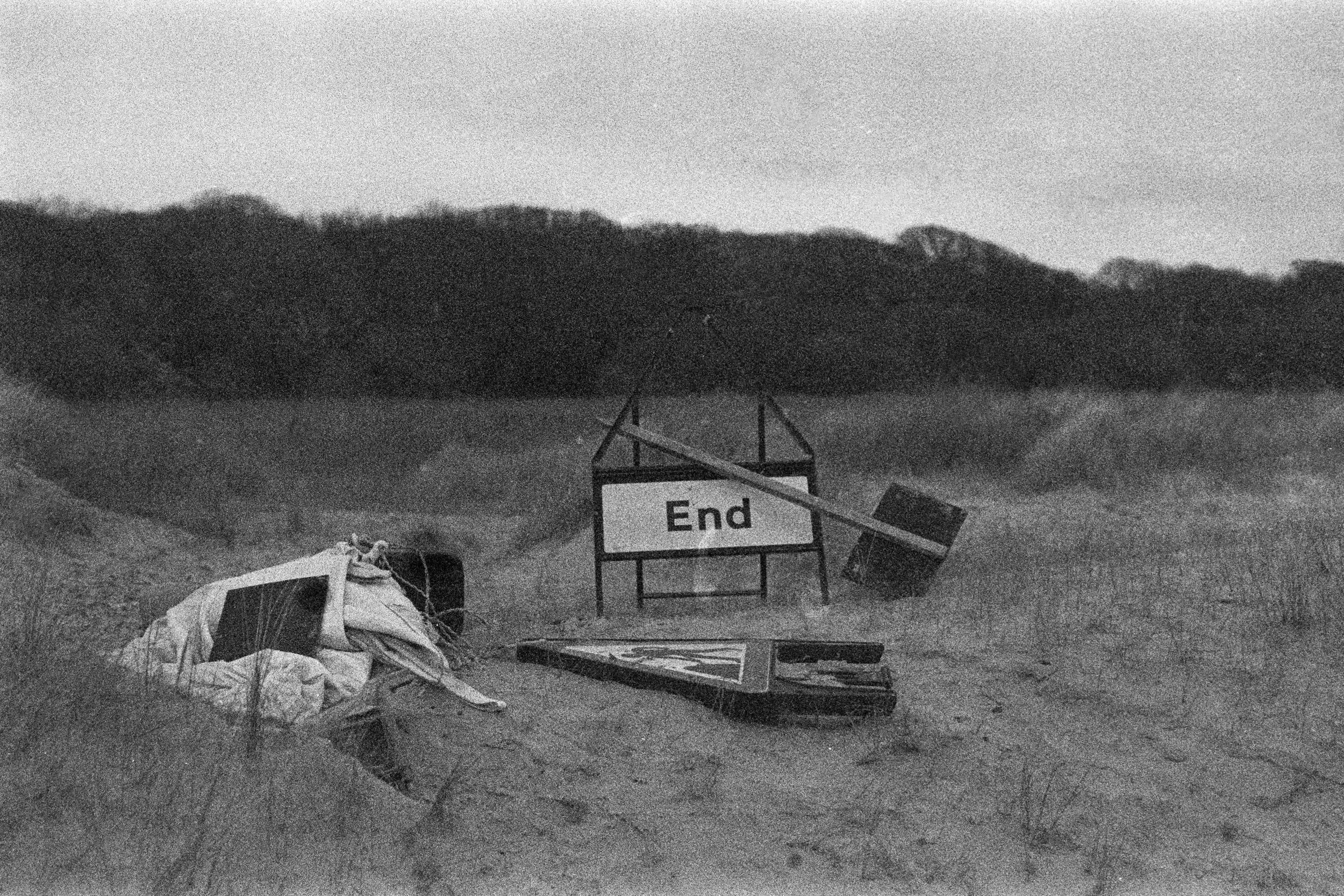
My original plan for this stock was to shoot a series of self-portraits (I was born in 1985), but I ultimately chose to experiment with the film in the wild first, by taking a number of straight landscape shots and multiple exposures, along with playing with focus. I wanted to see how the emulsion would handle general use and development, and the answer is... not bad at all. The stock in question is Kodak Tri-X 400. As expected from film of this age, the results are incredibly gritty and heavily grainy, interspersed with a few imperfections. Yet, I really love the aesthetic. Initially, I was surprised that any image emerged at all.
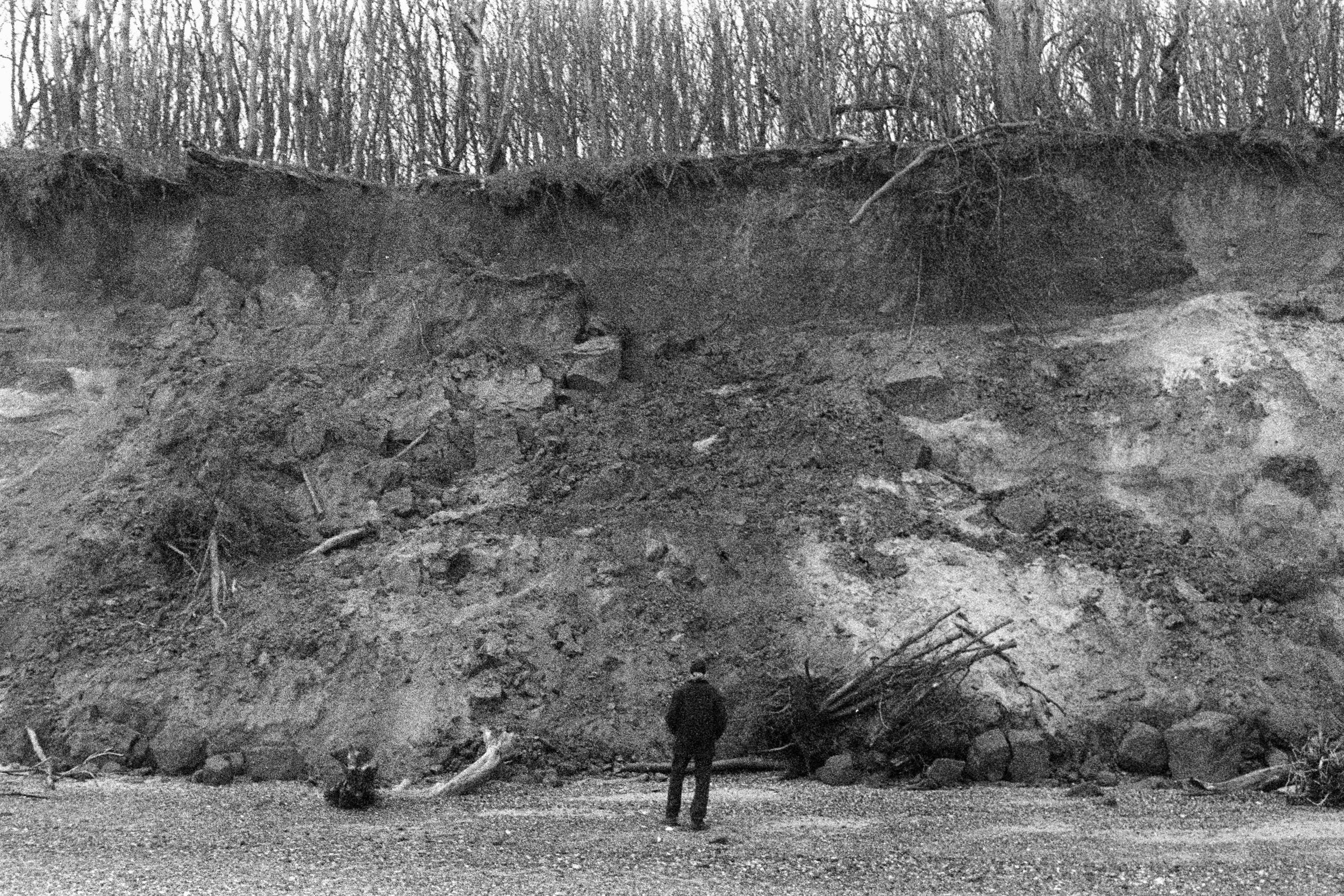
So, why the fascination with this specific landscape? It is one of the fastest-eroding places in Britain. Each year, approximately five metres of land are lost to the sea, and coastal erosion threatens to engulf the entire village within eighty years, maybe even sooner than that! Every visit feels different. It’s almost as if you are watching time and the elements physically disappear. On one particular windy day when I was there, I could see the sand trickling down the cliff face and blowing across to the sea. It is quite an eerie sight, watching weather patterns actively eat away at our coastline.
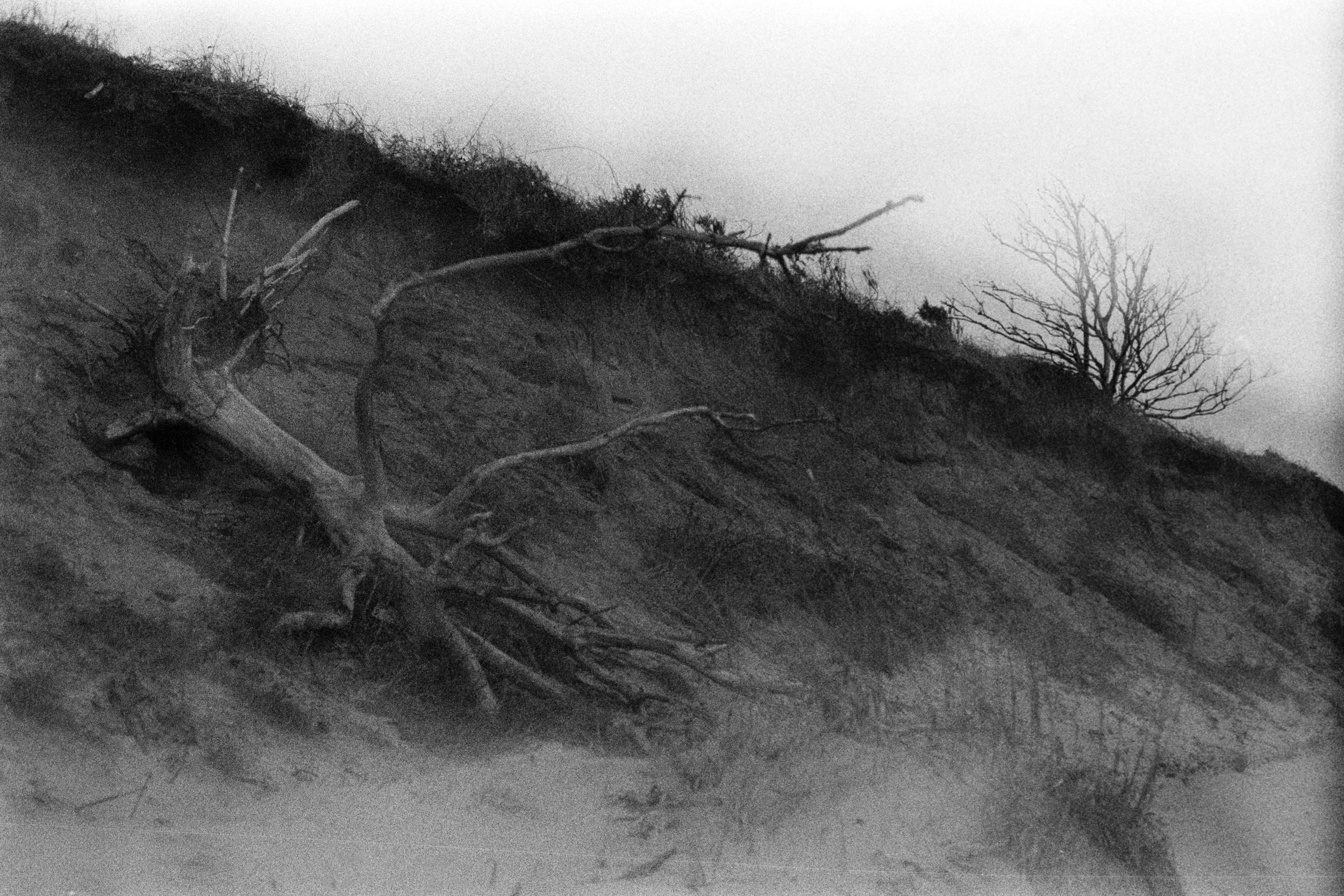
Using this forty-year-old film, I couldn’t help but be caught in this paradox. By capturing the present day on an emulsion manufactured four decades ago, I was photographing a ghost landscape. The very land this film expects to see is entirely gone. If you were to stand on the cliff edge right now and look out at what existed in 1985, you would be staring into empty air over the North Sea. The scattered, dead trees currently strewn along the beach were then vibrant, green, and full of nesting birds. Similarly, the fractured remains of wartime pillboxes, once built to protect the Suffolk coast from a German invasion, sat firmly atop the cliffs or nestled securely in the dunes, rather than being smashed to pieces or buried deep beneath the sand as some of them are today.
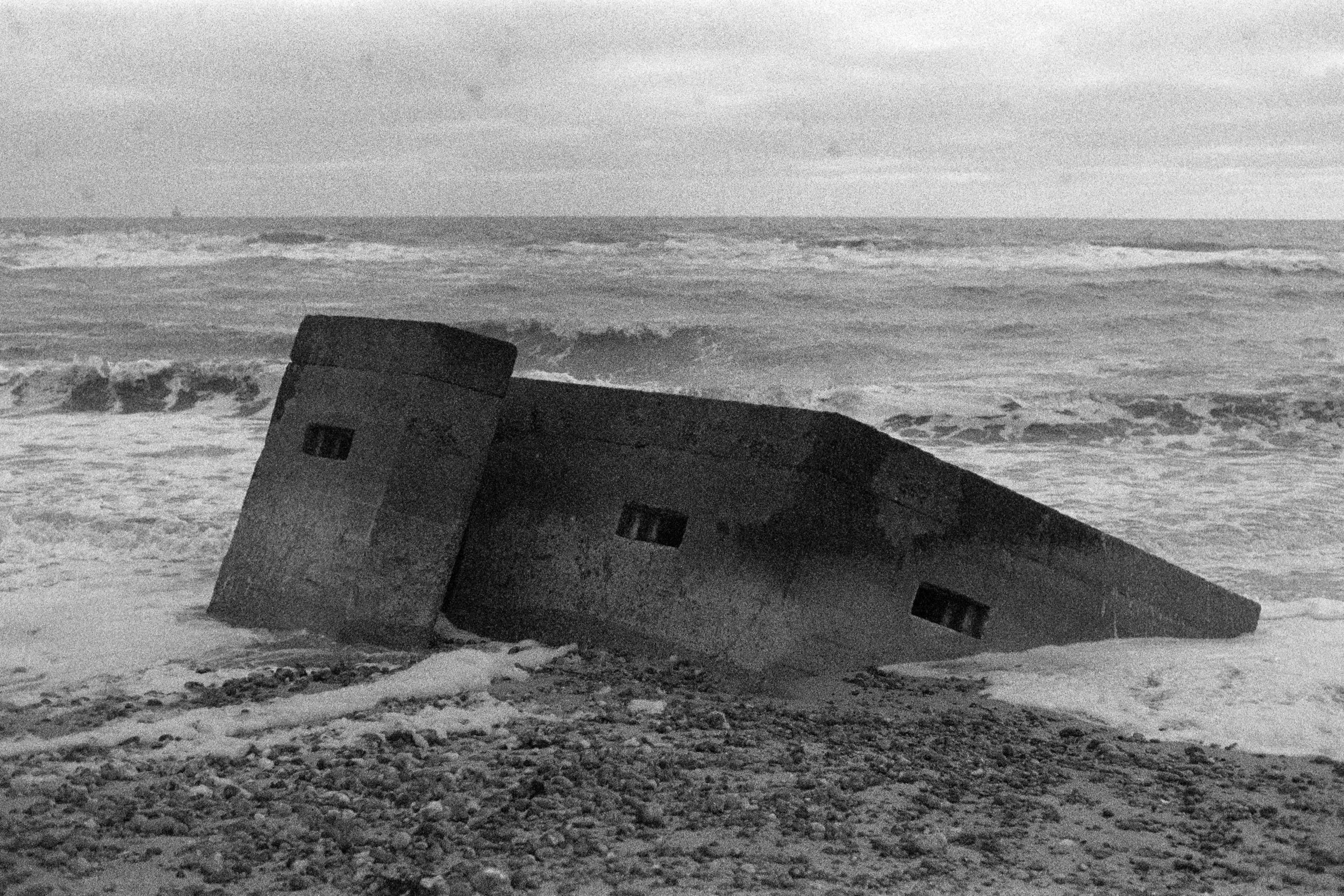
Perhaps it is somewhat a heavily romanticised perspective, but the idea of this old emulsion bridging time to map the present completely fascinated me when I was shooting with it.
Carrying this thought in mind, I wanted to see if I could shift this further. I collected a couple of uniquely shaped stone objects from the beach where some of the images were taken, and using black-and-white Polaroids, I experimented with an emulsion lift onto the surface.
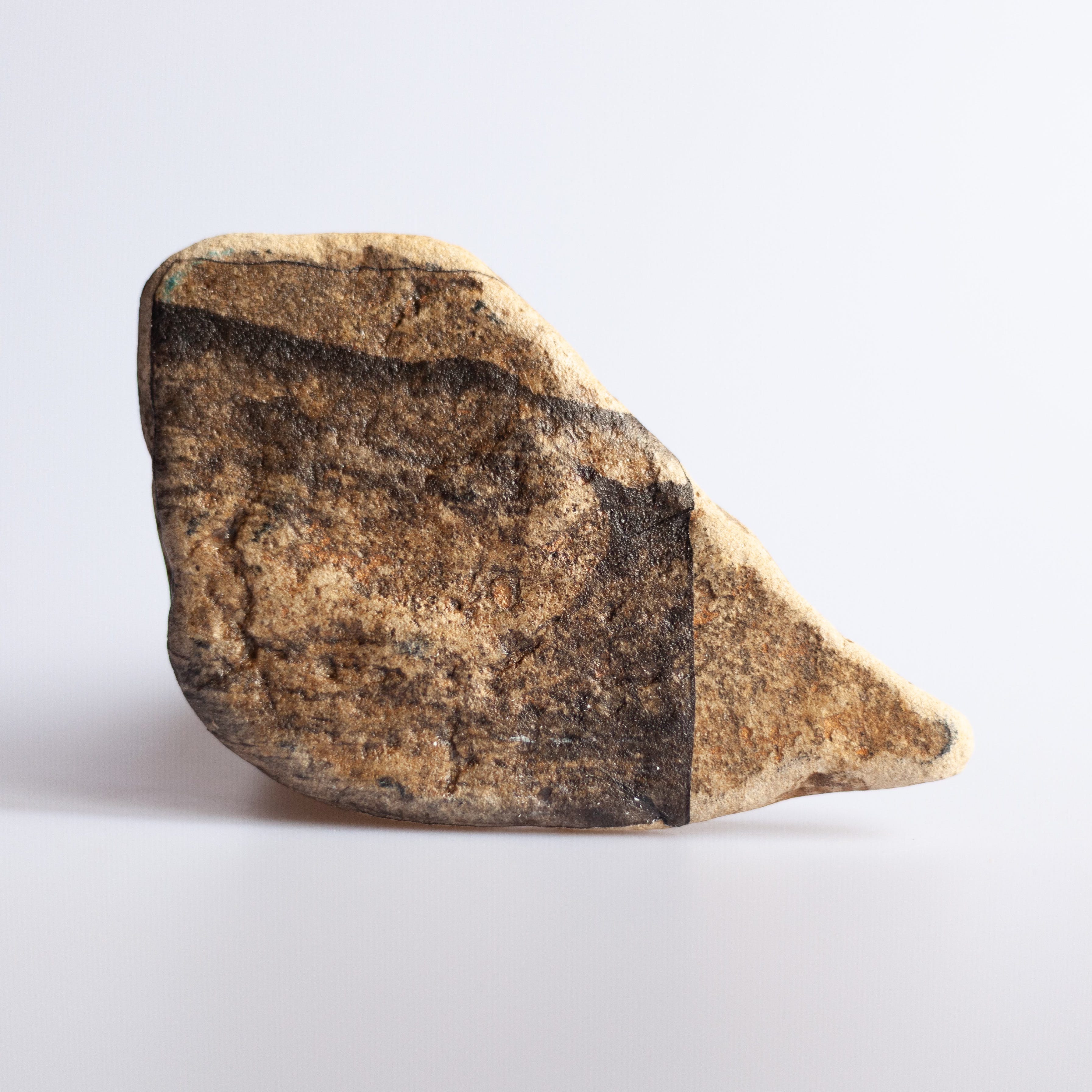
The effect was much better than I initially anticipated, and I feel that it has transformed the found object into more of a relic. Because Covehithe is a place defined by loss and constant change, the process of lifting an image of something like the cliffs onto something that has potentially fallen from them creates something entirely unique. The Polaroid becomes, if you like a delicate skin, intentionally married to the land, and it now speaks of a singular geography.
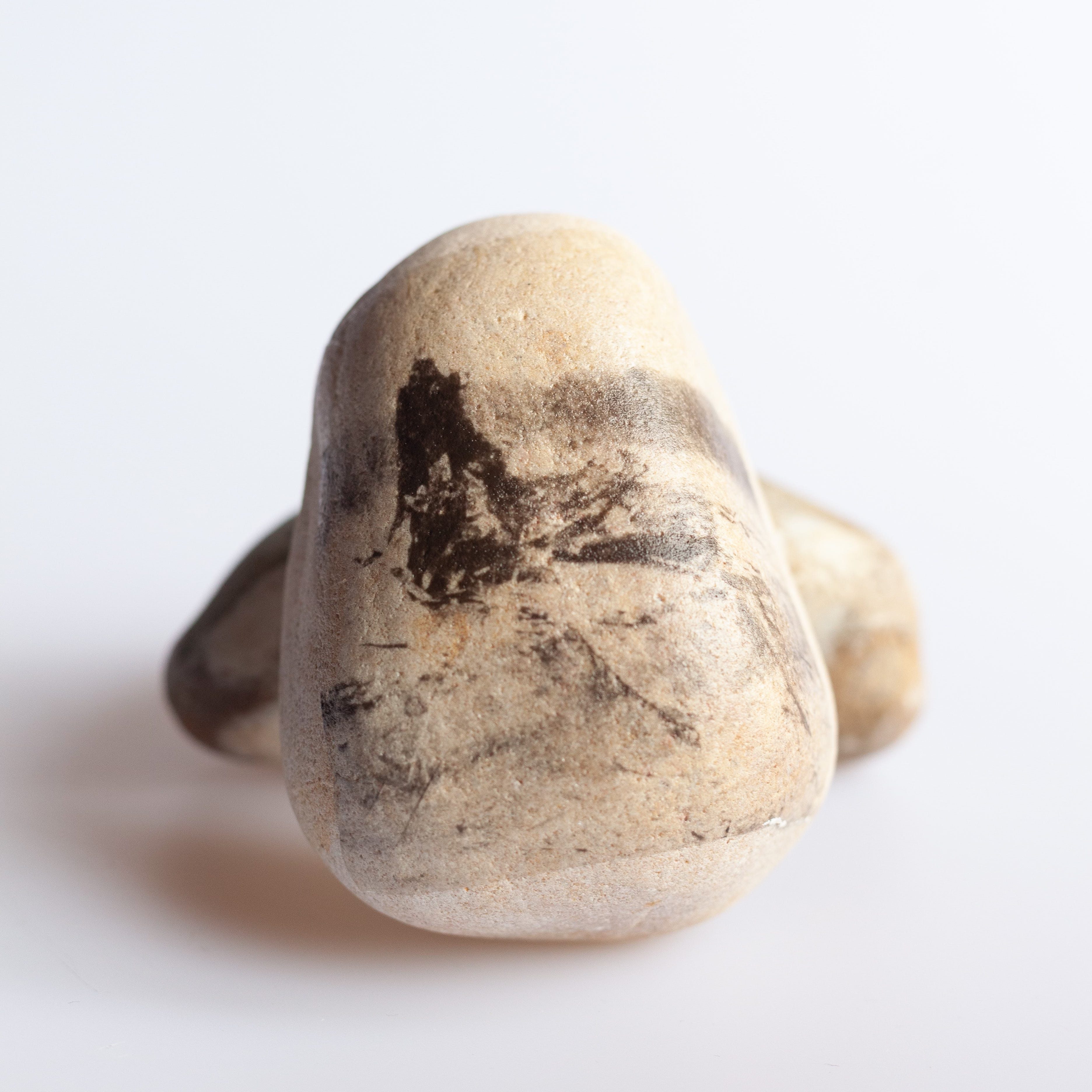
This object, sculpted by the tide and now holding the photograph, contains that specific space and time. It holds onto a place that can no longer be held.
Much of what exists in this post is pure experimentation and chance, much like my earlier post. However, whilst it shares many similarities in its concept, it has now taken a different route. Once that is tactile and is still evolving.
I love this idea. Very cool, Daniel.
Really good explanation of your process here, Daniel. Fascinating perspective. I love some of the images, especially the pillbox.